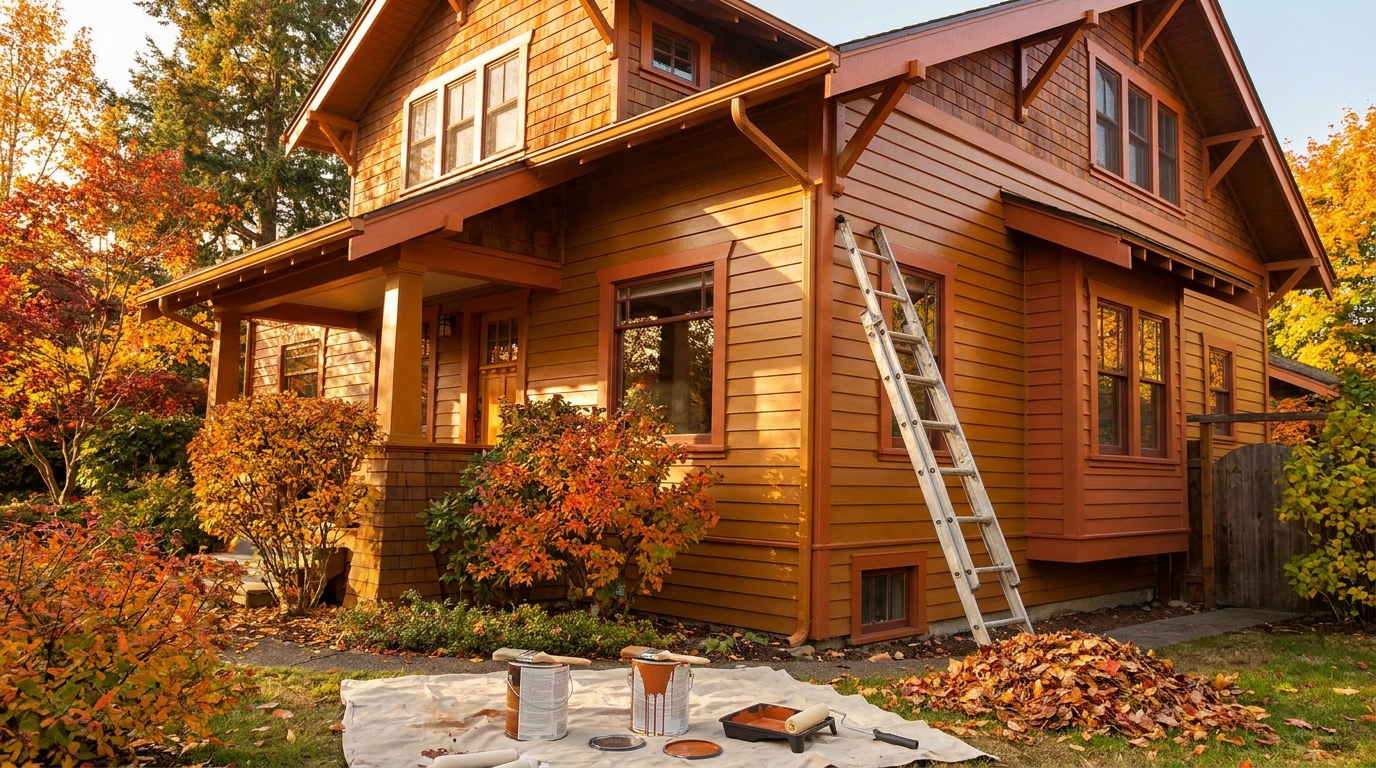
Can you paint exterior in cold weather without ruining the finish? Yes, but only within a specific temperature window, and fall is your last real chance to act before that window closes. Dream Painting LLC, a family-owned, licensed and insured painting company serving Denver and the surrounding metro, offers targeted fall exterior touch-ups designed for exactly this transition. These aren’t full repaints. They’re a focused service using primers and paints specifically formulated for cooler temperatures, addressing the spots most worn by summer sun and sealing vulnerable areas before frost arrives. Get the timing wrong, and a minor peel becomes a winter-long problem. In Denver specifically, that problem compounds quickly once the freeze-thaw cycle begins in earnest, turning a small failed zone into a full section of lifted film that lets moisture reach bare wood by January.
Can You Paint Exterior in Cold Weather Without Ruining It?
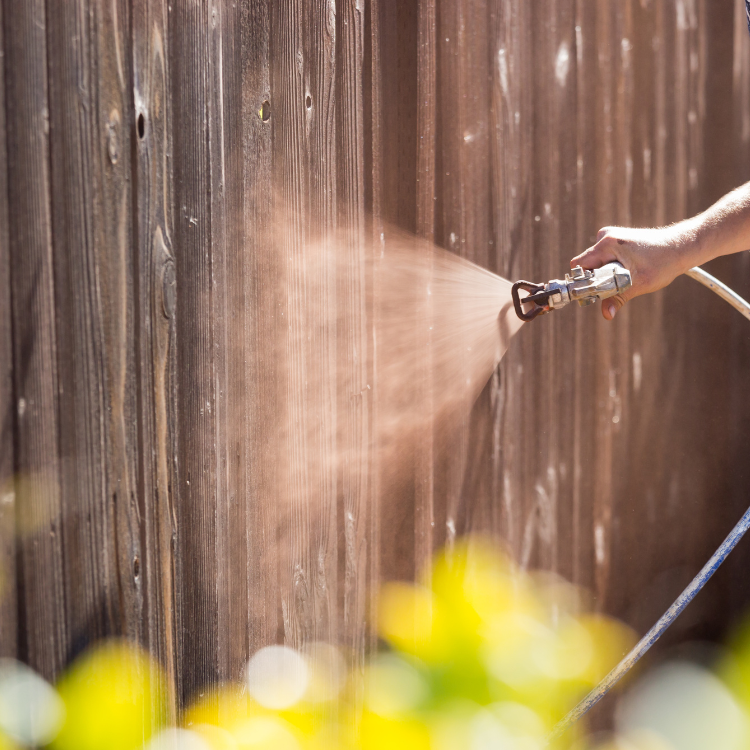
Exterior paint can be applied safely down to about 35 to 40 degrees Fahrenheit, but only when surface temperatures stay above the dew point and the forecast shows no rain or frost within 24 hours. Most standard latex paints begin to fail below 50 degrees. At that point, the film forms unevenly, adhesion weakens, and you’ll see cracking or peeling within one freeze-thaw cycle. For fall work in Denver, that window is real but short. Afternoons in September and October often sit in the mid-50s to low 60s, which is workable. By November, the margin shrinks fast.
The surface temperature matters even more than the air temperature. A wall facing north can be 10 degrees colder than the air. That’s why the lowest temperature to paint outside isn’t just about what your thermometer reads at noon. Experienced painters use an infrared thermometer to check actual substrate temperature on each wall before committing to application. Products like Sherwin-Williams Resilience and Benjamin Moore Aura Exterior are formulated to apply down to 35 degrees Fahrenheit, but even those products require the surface itself to be within spec, not just the ambient air. Using a standard contractor-grade latex in those same conditions will produce a failed film regardless of how carefully it was applied.
What Happens If You Paint Outside When It’s Too Cold?
Painting in temperatures below the product minimum causes the paint to thicken, flow poorly, and cure unevenly. The result is a chalky, brittle film that peels away in sheets once moisture gets underneath. In Denver’s freeze-thaw cycle, that process accelerates fast. One warm afternoon followed by a hard overnight freeze can undo a rushed paint job completely. The film simply never had time to coalesce into a continuous, protective barrier, and the first moisture event exposes that failure immediately.
Beyond adhesion failure, cold-weather painting traps moisture inside the film. That moisture has nowhere to go. Over time it blisters, especially on south and west exposures that catch the most direct sun in the afternoon. The repair cost for a botched cold-weather paint job almost always exceeds what a properly timed fall touch-up would have cost. Acting before the first hard freeze is almost always the smarter financial decision. A common mistake homeowners make is watching a warm October weekend and deciding to roll on a quick coat themselves without checking overnight lows. If temperatures drop below freezing within 24 hours of application, the curing process is interrupted permanently, and no amount of warmer weather afterward will fix the adhesion bond that failed to form.
Why Dew Point and Time of Day Matter for Fall Exterior Painting
Surface temperature must stay at least 5 degrees above the dew point during application and for several hours after. When that gap closes, moisture condenses on the surface before the paint has cured, causing blistering and adhesion failure. Denver’s fall mornings often run with higher dew points, which makes early-morning painting risky even when air temperatures feel reasonable. This is a variable that most DIYers overlook entirely, and it’s one of the primary reasons fall touch-ups done without professional planning fail before spring.
In practice, the best window for fall exterior painting in the Denver metro is between about 10 a.m. and 3 p.m. on a clear day with low humidity. That’s a narrow slot. A skilled painter plans the sequence of surfaces around sun exposure, starting on shaded walls later in the morning and moving to sun-warmed surfaces once they’ve dried. That kind of scheduling is what separates a touch-up that lasts from one that peels by February. On overcast days, the dew point gap can stay dangerously narrow all day, which means conditions that look reasonable are actually unsuitable for application. Checking the hourly forecast for both temperature and dew point, not just the daily high, is standard practice for any professional doing fall exterior work in Colorado’s variable climate.
Which Spots Need Attention Before Winter?
Trim boards, window and door caulk lines, bare wood sections, and south or west-facing siding panels are the four areas that take the most damage heading into winter. Summer heat causes wood to expand and contract, which breaks the bond between paint and substrate. By September, those areas often show fine cracks or small peel zones that look minor but act as direct entry points for moisture. Failed caulk around window frames is particularly problematic because water that enters there doesn’t just damage the paint film, it reaches the rough framing and insulation behind the sheathing, where rot develops silently over a full winter season.
Last October, Kyler worked on a fall touch-up for a charming colonial-style home here in the Denver metro. The homeowners were concerned about areas where the paint had begun to peel, particularly on the southern and western exposures. He assessed the damage and focused on scraping and sanding those areas before applying a high-quality primer and paint designed for cool weather. The job also included re-caulking around windows and doors to prevent heat loss and moisture seepage. By the time the work was finished, the house was well-protected for winter, and the owners could feel confident their home was both visually sharp and structurally sound. That sequence, scrape, sand, prime with a cool-weather-rated primer, then topcoat, is what a proper touch-up looks like. It’s not a quick brush-over. It’s targeted prep work that actually holds through Denver’s freeze-thaw cycles without lifting by February.
How Do Fall Exterior Paint Touch-Ups Differ From a Full Repaint?
A fall touch-up addresses 10 percent or less of any given wall surface, focusing on isolated peel zones, bare wood spots, and failed caulk. It’s designed to extend the life of an existing paint job through one more winter, not replace it entirely. Dream Painting LLC uses paints and primers specifically formulated for cooler temperatures during these visits, ensuring proper adhesion even when autumn days run unpredictably warm and cold within the same week. Color-matching is handled carefully so touched areas blend with the existing field coat rather than standing out as obvious patches.
A full repaint becomes necessary when peeling covers large continuous sections, when the existing paint film has thinned to the point of chalking across entire walls, or when color fading is uneven enough to make spot-matched touch-ups visible. If you’re in that territory, the smarter move is to schedule a full repaint for spring. Denver’s spring calendar fills early, so booking now locks in your spot before the busy season. A touch-up this fall buys the time to plan that repaint properly, protecting the substrate through winter without committing to a project scope that can’t be executed well in cold conditions.
What Should You Expect From a Professional Fall Touch-Up?
Kyler has worked in the Denver metro for over 7 years and brings a detailed, methodical approach to every visit. A fall touch-up with Dream Painting LLC starts with a walk-around inspection of the full exterior, not just the spots you’ve already noticed. Problem areas get marked, then scraped and sanded down to a clean substrate before any primer goes on. Skipping that prep step is the most common reason DIY touch-ups fail within a season. Painting over a glossy or contaminated surface without scuff-sanding reduces adhesion dramatically, and painting over existing peeled zones without removing all loose material guarantees the new coat will lift along with the old one underneath it.
After prep, a cool-weather-rated primer goes on bare or raw sections. That primer is the foundation. Products used at Dream Painting LLC are selected specifically for substrate type, bare wood gets a penetrating oil-based or shellac-based primer when conditions call for it, while previously painted surfaces in good condition get a bonding latex primer. The topcoat follows once the primer has cured fully, and caulk lines around windows and doors are refreshed with a paintable exterior caulk designed to stay flexible through temperature swings, typically a siliconized acrylic formula that handles Denver’s wide diurnal range without cracking. The full process is deliberate. Nothing gets painted over without being properly prepared first. Dream Painting LLC is family-owned and licensed and insured, so you’re not handing your home’s exterior to an unknown crew. Homeowners across Denver, Lakewood, Arvada, Littleton, Parker, and the rest of the metro trust Dream Painting LLC for honest assessments and work that holds up.
[GOOGLE REVIEW WIDGET]
Is Fall Exterior Touch-Up Worth It for Denver Homeowners?
Exterior paint touch-ups before winter in Denver are worth the cost because they prevent moisture from entering failed paint zones and causing wood rot, which is far more expensive to repair than a sealed paint surface. A targeted touch-up that catches a peeling trim board in October is a fraction of the cost of replacing rotted wood in April. Wood rot repair on a window sill or trim board typically runs several hundred dollars per section before any painting begins, and if the rot has reached the framing, costs climb significantly higher. Sealing those entry points in fall costs a small fraction of that figure.
Denver’s climate adds specific pressure. The region experiences wide daily temperature swings, intense UV exposure at elevation, and fast-moving fall storms that can bring moisture well before the calendar says winter. That combination accelerates paint breakdown faster than many homeowners expect. Addressing it each fall, rather than waiting for a full repaint, keeps the exterior in consistently good condition and pushes the need for a complete repaint further out. Areas like Centennial, Greenwood Village, and Castle Rock see similar patterns, and homes in those communities face the same sun angles and freeze-thaw cycles as properties closer to the city. Consistent fall maintenance is what separates a paint job that lasts 8 to 10 years from one that needs a full redo in 4. The elevation factor alone, Denver sits at 5,280 feet with surrounding suburbs climbing higher, means UV degradation of paint film happens measurably faster here than at sea level, making annual exterior inspection and targeted maintenance a genuinely sound investment rather than an upsell.
Ready to Schedule Your Fall Touch-Up in Denver?
Kyler and the Dream Painting LLC team are currently scheduling fall exterior touch-ups across Denver, Arvada, Aurora, Thornton, Westminster, Commerce City, and the wider metro. Homeowners north of Denver can learn more about hiring an exterior house painter in Commerce City. Spots in October fill quickly once night temps start dropping. Call (720) 731-2027 to request a free estimate, or visit dreampaintingllc.com/contact to get on the schedule. A quick inspection now protects your home through the full winter season and sets you up for a smooth spring repaint if one is needed.