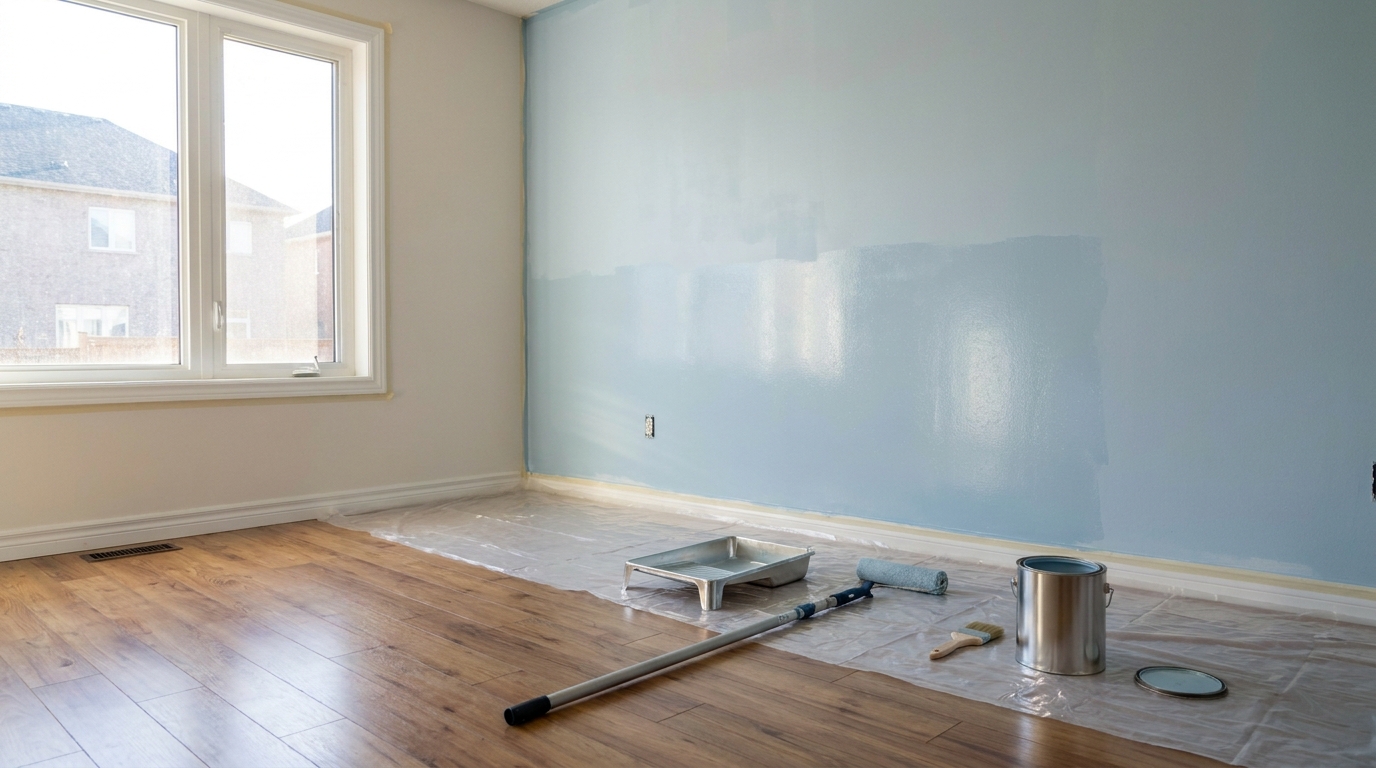
Does humidity affect paint drying more than most people realize, and in Denver, the stakes are especially high. The Denver metro sits at roughly 5,280 feet elevation with a semi-arid climate, pushing average indoor humidity well below the 40-50% range most paints need to cure properly. That gap between what paint needs and what the air provides causes real problems: brush marks, uneven sheen, peeling corners, and finishes that look patchy within a season. At Dream Painting LLC, Kyler and the crew have spent over 7 years learning exactly how Denver’s air behaves and adjusting paint formulations and application techniques season by season to stay ahead of it.
Most painting companies apply the same process year-round and hope for the best. Dream Painting LLC is a family-owned, licensed and insured operation that approaches each project differently depending on current humidity readings, wall temperature, and paint chemistry. That distinction matters more in the Denver metro than almost anywhere else in the country.
How Does Humidity in Denver, CO Affect Interior Paint?
Denver’s indoor humidity drops to 20-30% in winter months, well below the 40-50% range most interior paints require for even curing. At that level, water-based paints lose moisture from the surface too fast. The top layer skins over while the layers underneath are still wet, trapping solvents and creating tension in the film. That tension shows up as brush marks, roller stipple that won’t lay flat, and sheen inconsistencies that catch light at the wrong angle.
In summer, the situation shifts. Afternoon humidity rises slightly, but temperature spikes speed evaporation just as much as dry air does. Because of this, there is no single “safe” season for interior painting in Denver without actively managing conditions on the job site.
What Is the Ideal Humidity for Painting Indoors?
The ideal humidity for painting indoors falls between 40% and 50%, with most paint manufacturers recommending room temperature between 50°F and 85°F alongside that range. Below 40%, drying accelerates past the point where paint can flow and level correctly. Above 60%, the opposite problem kicks in: paint stays wet too long, sags, and can trap moisture that leads to mildew under the film.
In practice, Denver homes rarely hit 40-50% indoors without help. Forced-air heating in winter strips moisture fast. A simple hygrometer, which costs under $20 at any hardware store, gives you a real-time reading before you open a single can of paint. Knowing your starting point changes how you plan the job.
How Long Does Interior Paint Take to Dry in Low Humidity?
Interior paint in low-humidity conditions can feel dry to the touch in as little as 30 minutes, but full cure still takes 2-4 weeks regardless of how fast the surface dries. That distinction is critical. “Dry to touch” and “fully cured” are two completely different stages. In Denver’s dry winters, a wall can feel hard in under an hour while the paint film is still chemically incomplete underneath. Applying a second coat too soon on top of that partially cured base causes adhesion failure, bubbling, and sheen differences that show up weeks later.
Kyler’s standard practice is to test small wall sections first, checking drying behavior before committing to a full-room timeline. That test phase catches problems before they scale.
What Happens When You Paint in Low Humidity Without Adjusting?
Painting in low humidity without making adjustments leads to cracking, peeling, and uneven texture, often within the first heating season. When paint dries faster than it can flow and level, the film locks in imperfections. Brush strokes that would have smoothed out in normal conditions become permanent. On semi-gloss and gloss finishes, this creates a blotchy sheen that is nearly impossible to fix with touch-ups because fresh paint dries at a slightly different rate than the cured original coat.
Corner areas are especially vulnerable. The film pulls back slightly as it shrinks during rapid drying, and those corners start to curl or flake before the first winter is over. Flat and matte finishes hide these issues better, but they still occur beneath the surface in the adhesion layer.
How Dream Painting LLC Adjusts for Denver’s Dry Climate
Dream Painting LLC adjusts paint formulas, adds retarder chemistry, and controls room humidity before the first coat goes on, rather than reacting to problems after they appear. Retarder additives extend the open time of water-based paints, giving the film extra minutes to flow and level before the surface skins over. That small adjustment produces a noticeably smoother finish on Denver walls without changing the color or sheen of the final product.
For rooms with forced-air heat running, the team brings in a portable humidifier to bring the room to at least 40% relative humidity before starting. Once conditions stabilize, application begins in thin, even coats with adequate dry time built into the schedule between passes.
Here is a real example of this process in action. Last month, Kyler was working on a residential project where the task was repainting the entire interior of a property during late fall. As the weather turned cooler, the humidity levels dropped significantly. The usual water-based paint needed an adjusted approach to ensure it adhered correctly and dried evenly without adverse effects such as cracking or peeling. Kyler systematically tested small wall sections to calibrate formulations and drying times accurately. By adjusting the formula to account for the low humidity, the paint finish maintained its durability and aesthetic appeal, much to the homeowner’s satisfaction.
That process is repeatable and structured. It is not guesswork.
Which Paint Types Work Best for Low-Humidity Interiors in Denver?
Acrylic latex paints with added open-time extenders perform best in Denver’s low-humidity interiors, offering flexibility and adhesion that holds up through seasonal humidity swings. Standard acrylic latex without additives dries too fast on a dry Denver wall. Adding an open-time extender, sometimes called a flow-and-leveling additive, slows evaporation enough to allow proper bonding without affecting the final appearance.
For finish sheen, flat and matte options mask the micro-texture caused by rapid drying better than semi-gloss or gloss. That said, flat finishes are not always practical. Kitchens, bathrooms, and high-traffic hallways need a washable surface, which means satin is usually the best compromise. Satin reflects less light than semi-gloss, so small surface irregularities are less obvious, and it cleans without breaking down.
The key point: paint type selection should depend on the room’s function and the current humidity level, not just the color chip on the card.
Practical Steps to Protect Your Paint Long-Term in Denver Homes
Maintaining indoor humidity between 35% and 50% year-round is the single most effective step Denver homeowners can take to extend the life of interior paint. Forced-air heat in winter is the biggest culprit for stripping indoor moisture. Running a whole-house humidifier or even room-level units during heating season keeps the paint film from drying and contracting repeatedly, which is what causes micro-cracking over time.
Beyond humidity control, routine surface cleaning matters. Dust build-up creates a fine abrasive layer that dulls sheen gradually. A soft microfiber cloth every few weeks keeps surfaces cleaner between repaint cycles. For high-traffic areas, a clear acrylic sealer over flat finishes adds a washable layer without changing the color. Inspect trim and corners each fall before heating season starts. Catching a small flake early costs almost nothing to fix. Ignoring it for a season means a larger repair job by spring.
Why Denver Metro Homeowners Trust Dream Painting LLC
Homeowners across Denver, Littleton, Lakewood, Arvada, and the surrounding communities trust Dream Painting LLC because Kyler brings over 7 years of hands-on experience with the specific environmental conditions that make interior painting in this region tricky. Being family-owned and locally operated means every project gets direct attention, not a crew of rotating subcontractors who may not know how Denver’s dry winters behave.
Licensed and insured, Dream Painting LLC serves the full Denver metro including Aurora, Centennial, Greenwood Village, Parker, Thornton, Westminster, Commerce City, and Castle Rock. Each project starts with a condition assessment so that the approach is calibrated to what the walls and the air in that specific home actually require. Homeowners south of Denver can learn more about our Castle Rock painters and the interior and exterior work we do there.
Frequently Asked Questions About Humidity and Interior Painting
Does humidity affect paint drying on all paint types equally?
Water-based acrylic paints are more sensitive to humidity extremes than oil-based formulas, but both are affected. In very low humidity, acrylics dry faster and are harder to control. Oil-based paints take longer to cure overall and can yellow in low-light interiors, so they are rarely the better solution for Denver homes even though they are less reactive to dry air.
Can I paint in winter in Denver without a humidifier?
You can, but the risk of brush marks, sheen problems, and poor adhesion increases significantly when indoor humidity is below 30%. A basic room humidifier running for a few hours before and during painting reduces that risk considerably. It is a small step that prevents expensive problems.
How do I know if my paint failed because of humidity?
Cracking, peeling at corners, blotchy sheen, and flaking within the first year after painting are the clearest signs. Humidity-related failures usually appear fastest in rooms with forced-air vents blowing directly on walls, or in areas that get significant temperature swings between day and night.
What areas does Dream Painting LLC serve?
Dream Painting LLC serves Denver and the surrounding metro, including Arvada, Aurora, Castle Rock, Commerce City, Greenwood Village, Centennial, Lakewood, Littleton, Parker, Thornton, and Westminster.
Request a Free Estimate From Dream Painting LLC
The best humidity for painting indoors is 40-50%, and getting there in a Denver home takes planning and experience. Dream Painting LLC brings both to every project. Whether the job is a single room or a whole-home repaint, Kyler and the team assess conditions first, adjust the approach to match, and apply in stages that protect the finish for years.
Call (720) 731-2027 today or request a free estimate online. Serving Denver, Littleton, Arvada, Lakewood, and the full metro area, Dream Painting LLC is ready to help you get a finish that holds up through every Colorado season.