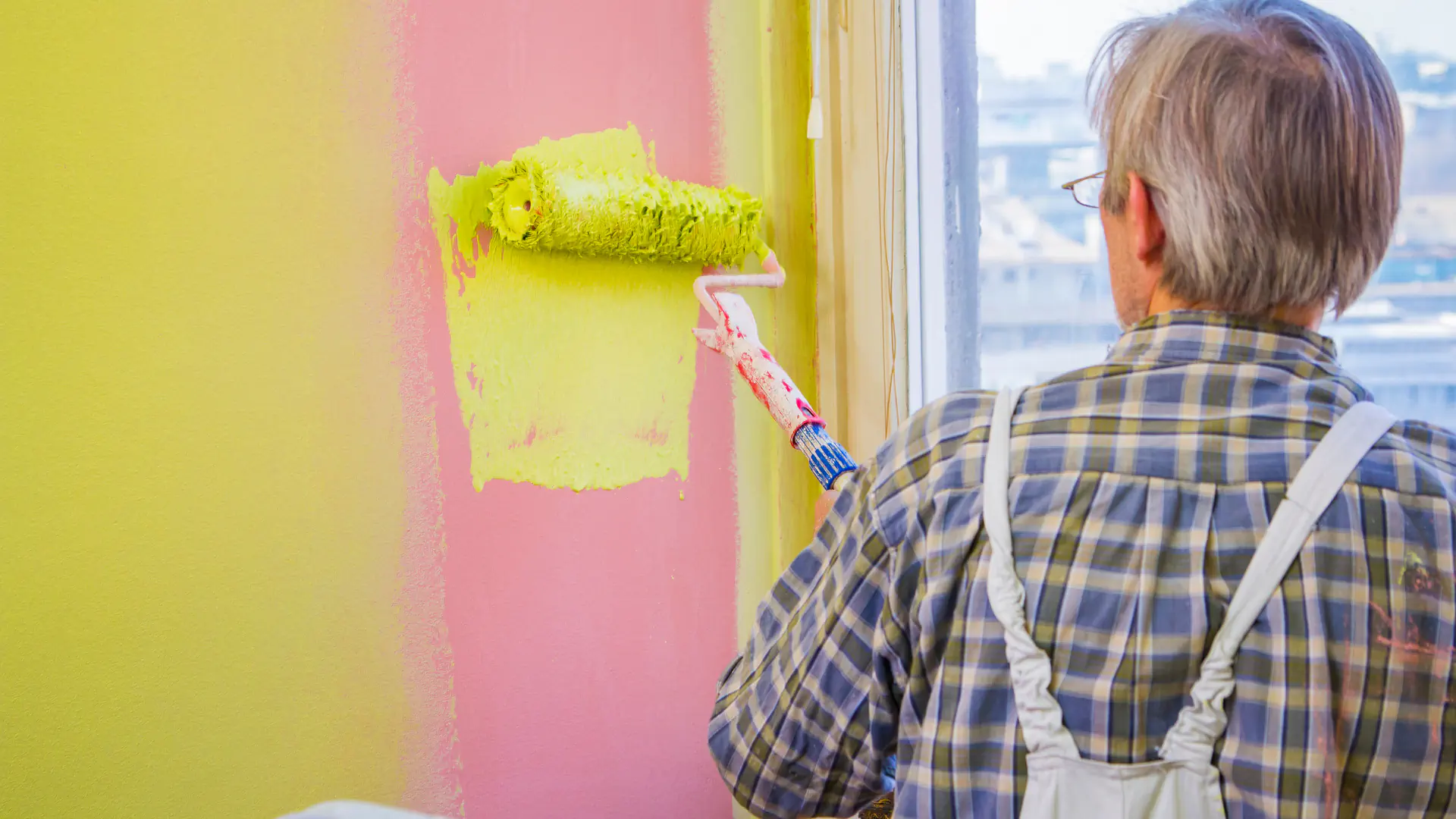
Choosing the wrong paint color is more common than most homeowners want to admit, and it almost always reveals itself at the worst possible moment. Not in the store, not on the sample chip, but after the furniture is back in place and the natural light hits the wall for the first time. Suddenly, the color that looked warm and inviting on a 3-inch swatch feels stark, cold, or entirely wrong at scale.
In homes across Denver, CO, this experience leads to the same uncomfortable question: how much is it going to cost to fix this? The honest answer is that it depends, on how dramatic the color change is, how many coats will be needed to achieve full coverage, and whether the walls were properly prepared the first time. At Dream Painting, we help Denver homeowners navigate this situation regularly, and the first thing we always say is: the best repaint is the one you never need. But when it does happen, here’s what to expect.
What a Color Repaint Actually Costs, and Why It’s Not Just One Quick Coat
The cost to repaint after a wrong color choice is typically similar to the original painting cost, and in some cases, it’s higher. That surprises most homeowners, who assume that going over an existing paint job is simpler than starting fresh. In reality, the process involves nearly the same steps, and sometimes more.
Here’s why: proper repainting still requires surface prep, careful edging, and at least two full coats of paint to achieve even, uniform coverage. If the color change involves a significant contrast, a dark, saturated color being covered by a light neutral, or vice versa, the job will almost certainly require one or more coats of primer before the topcoat can even begin. Without that primer layer, the original color will bleed through, creating an uneven finish that requires even more coats to correct.
If the original paint was applied unevenly, was a lower-quality product, or was put over inadequately prepped walls, correction work adds additional time and cost before the new color can go on. A painting contractor in Denver doing the job correctly will assess all of these factors during the estimate, which is why a repaint quote from a professional will sometimes look surprisingly close to the original job’s price.
The key takeaway: repainting is absolutely fixable, but it repeats much of the original process rather than simply layering a new shade on top. Treating it as a minor touch-up is the most common and costly misconception homeowners bring to the conversation.
Why Color Repaints Happen More Often in Denver Homes
In Denver, CO specifically, color dissatisfaction after painting happens more frequently than in many other markets, and the reason comes back to light. Denver’s high-altitude sunlight is more intense and more directional than most homeowners account for when evaluating samples. A color chosen in a paint store under controlled fluorescent lighting will behave very differently on a south- or west-facing wall in full Colorado afternoon sun.
In neighborhoods like Arvada and Centennial, house painters in Denver routinely hear the same story: the color looked perfect at the store, felt right on the small sample patch, and then read entirely wrong once it was on four walls under real light. Too bright. Too cool. Too flat across a large surface. Too different from how it looked next to the furniture.
This is one of the primary reasons experienced interior painters in Denver and residential painting Denver companies emphasize on-site color evaluation before committing to a full project. Painting a large test section on the actual wall, in multiple spots, observed at different times of day, catches these discrepancies before they become expensive corrections. It’s a step Dream Painting builds into every Project Planning Visit, and it’s the single most effective way to reduce the risk of a repaint before the project even begins.
Do Painters Charge More for Different Colors?
The short answer is: not for the color name itself, but potentially for what that color demands. Most professional house painters in Denver don’t apply a surcharge simply because you’ve chosen a bold or unusual shade. The cost difference, when it exists, comes from the additional labor and materials that certain color combinations require.
The scenarios most likely to increase repaint cost are:
Dark to light transitions. Covering a deep, saturated color with a lighter shade is one of the most labor-intensive repaint scenarios. It typically requires a high-quality stain-blocking primer, often in multiple coats, before the new color can be applied cleanly.
Highly saturated colors. Vivid reds, deep oranges, and intense yellows are notoriously difficult to cover because of their pigment load. Even going from one saturated color to another similarly intense shade can require extra primer and coats.
Light to dark transitions. Going darker is generally simpler than going lighter, but it still requires proper prep and full coverage to avoid patchiness, particularly in corners and near trim.
A reputable painting company in Denver will identify these factors during the estimate and price accordingly, so there are no surprises mid-project. What you should never encounter with a professional is a lowball quote that quietly expands once the crew realizes the job is more complex than initially presented.
Is It Worth Repainting Walls?
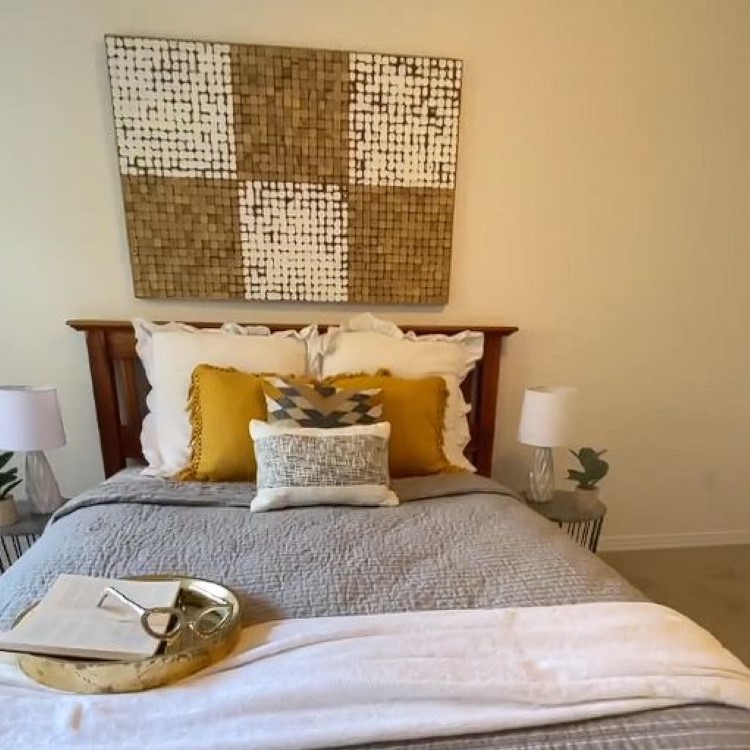
In most cases, yes, especially when the wrong color is actively affecting how the space feels to live in. A poorly chosen color can make rooms feel smaller, colder, or disconnected from the furniture and materials around them. It can make a welcoming space feel institutional, or a restful bedroom feel unsettled. Living with a color that doesn’t work is a daily friction that compounds over time.
For homeowners planning to sell, the case for repainting is often even stronger. Interior painters in Denver working on pre-sale projects regularly see how much a fresh, well-chosen neutral improves both the feel of a space during showings and the perception of overall home quality. A color that photographs poorly or reads as dated can meaningfully affect buyer interest, and a repaint at that stage is almost always worth the investment.
The most important thing when repainting after a color mistake is to slow down the decision the second time. Test more thoroughly. Evaluate samples in real light, at different times of day, against your actual furniture. Consider getting input from a painting contractor in Denver who understands how local light conditions affect color behavior, not just which colors are trending nationally.
Rushing the color decision the first time is usually what created the problem. Taking the time to get it right the second time is what makes the repaint permanent.
Can You Paint Over Paint With a Different Color?
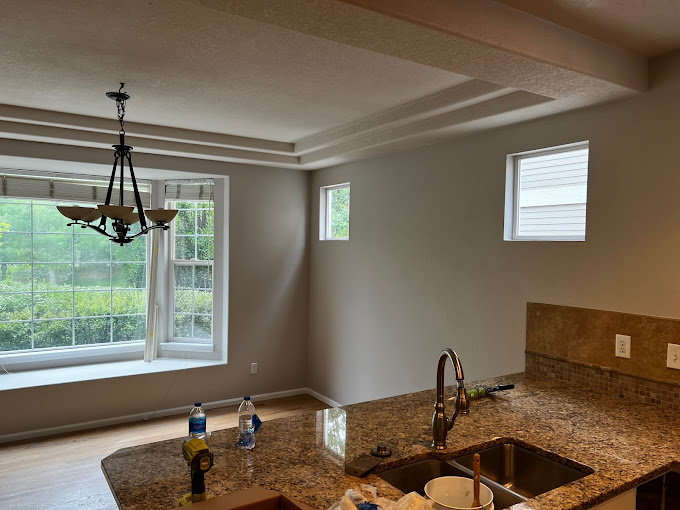
Yes, and in most cases, it’s entirely straightforward when done correctly. Existing painted walls don’t need to be stripped or returned to bare drywall before a new color goes on. What they do need is proper preparation.
That preparation typically includes cleaning the walls to remove dust, grease, or residue that would prevent adhesion; light sanding in areas where the existing finish is glossy or uneven; spot priming any patched areas or repairs; and full priming when the color contrast is significant.
When the existing and new colors are close in tone, fewer coats may be sufficient. When the contrast is high, the most common scenario in a color-mistake repaint, a professional residential painting Denver team will plan for additional primer coats and factor that into the timeline and cost upfront.
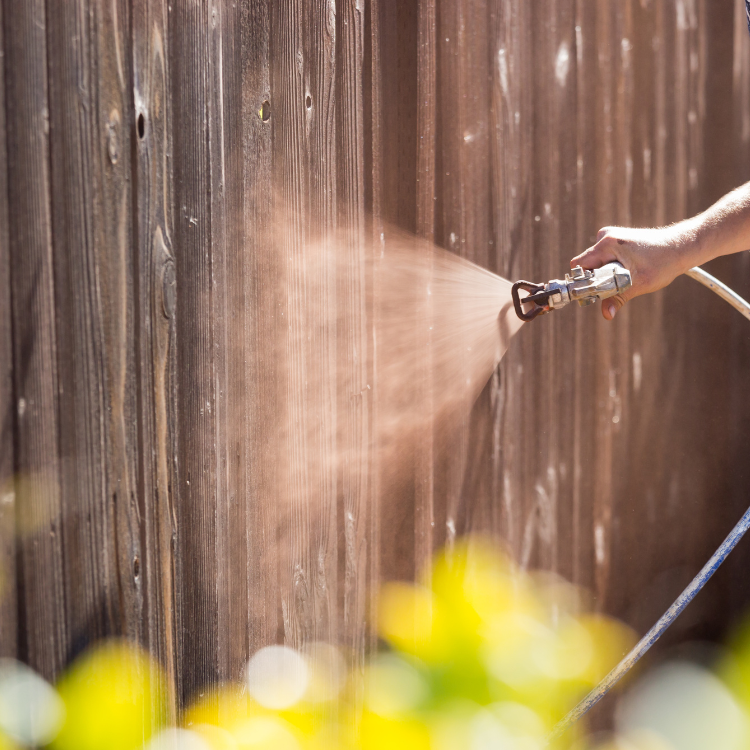
For exterior repaints, the preparation demands are often more significant. Exterior house painters in Denver working on a color change typically add pressure washing, scraping any loose or peeling material, and spot priming weathered areas before the new color goes on. Skipping these steps on an exterior repaint is one of the most common reasons exterior paint fails prematurely in Denver’s weather conditions.
Commercial painting Denver projects follow the same principle: the investment in proper prep is always recovered in how long the finish lasts and how consistently it holds up over time.
What Color is Illegal to Paint a Car?
The article’s final FAQ, what color is illegal to paint a car, is genuinely interesting as a framing device, because the answer reveals something true about color decisions more broadly: restrictions usually aren’t about the color itself, but about what the color does in context. Reflective finishes that mimic emergency vehicles are restricted not because the color is wrong in isolation, but because of how it functions in a specific environment.
Paint color on your home’s walls works the same way. There’s no universally “wrong” color. There are only colors that function poorly in a specific space, under specific light, with specific materials around them. That context, your home, your light, your layout, is what determines whether a color succeeds or creates the kind of costly mistake this article is about.
It’s exactly why Dream Painting evaluates every project in person, in the actual space, before making any color recommendation. Context isn’t a footnote in the color conversation. It’s the whole conversation.
Final Thought: The Best Repaint Is the One You Avoid
Repainting after a wrong color choice is completely fixable, but it costs more than most homeowners expect, takes more time than a simple touch-up, and requires the same level of care and preparation as the original project. For any painting company in Denver doing the job properly, a repaint is not a shortcut. It’s a full process.
The most effective way to avoid it is to slow down the color decision before painting begins. Test on the actual walls. Evaluate in real light. Work with interior painters in Denver or exterior house painters in Denver who understand how Denver’s specific light conditions affect color behavior, and who will tell you honestly when a color is likely to disappoint rather than simply agreeing with whatever you’ve chosen.
Dream Painting offers free Project Planning Visits to Denver homeowners for exactly this reason. A conversation and on-site color evaluation before the project begins costs nothing. A repaint after the wrong decision costs nearly as much as starting over.
Want to Get the Color Right Before the Paint Goes On?
Dream Painting helps Denver homeowners make confident, informed color decisions before any work begins, so the finish you see on day one is the finish you’re still happy with years later.