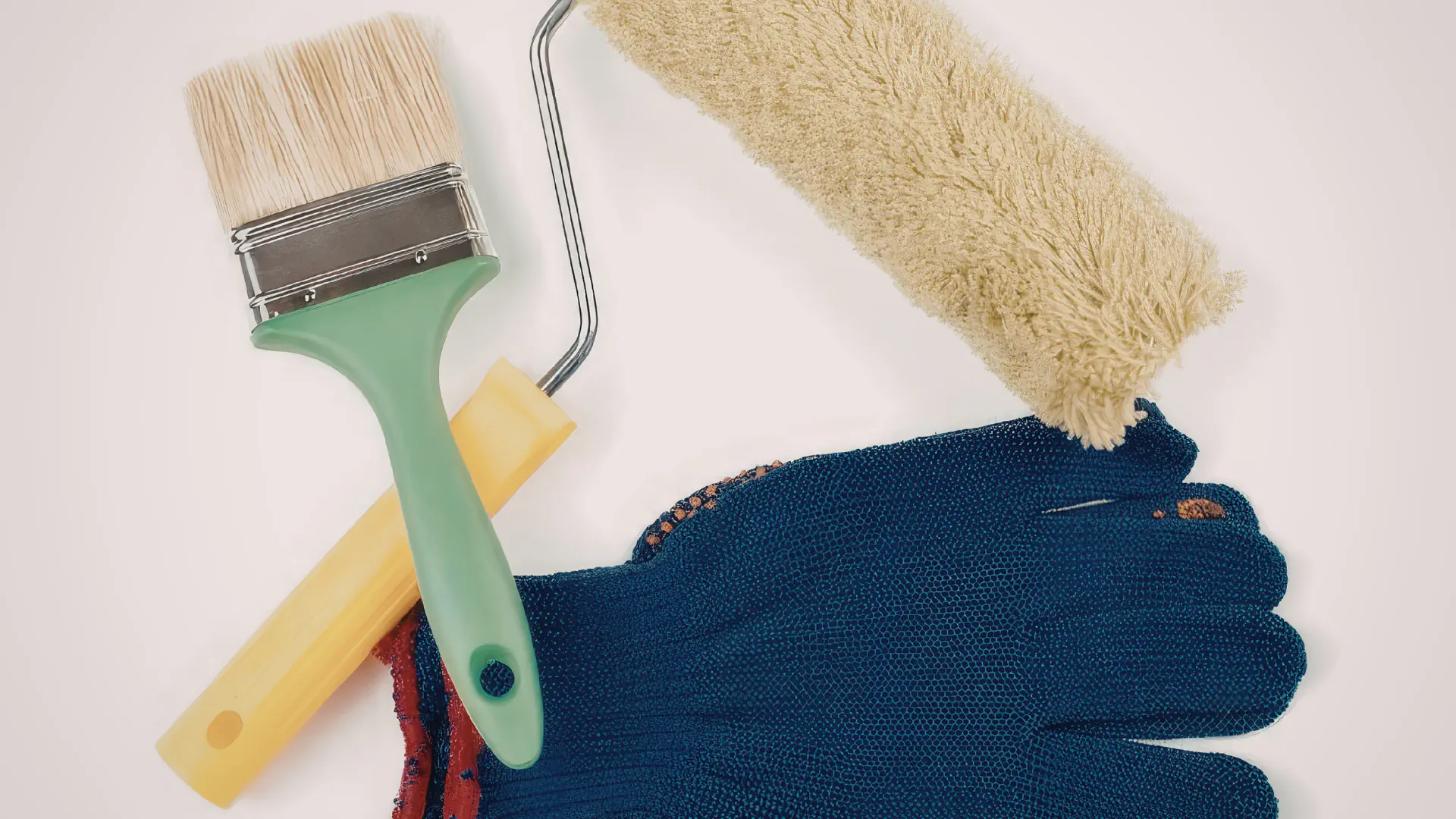
For most interior walls in Denver homes, rolling paint is better than brushing. Rollers apply paint faster, create more even coverage, and leave a consistent finish across large surfaces. Brushes still matter, but they work best for edges, corners, trim, and detail work rather than full walls.
Think of it this way: a brush gives you control, a roller gives you consistency. The best results come from using both in the right places, something experienced Denver painters understand instinctively after years of working in the area’s diverse housing stock.
Professional interior painters in Denver rarely choose one tool over the other. They combine brushes and rollers strategically to achieve clean lines and smooth walls that look flawless in Denver’s bright, natural light.
At Dream Painting, we’ve perfected this technique across hundreds of Denver homes, from historic bungalows in Washington Park to modern builds in Stapleton, and we know exactly when to reach for a brush versus a roller.
Below, we’ll break down when to use each tool, how professional house painters in Denver approach wall painting, and what techniques deliver the smoothest, most professional results.
Do Professional Painters Use Brushes or Rollers?
Professional Denver painters use both, almost always in a specific sequence that’s become industry standard.
Here’s how most pros work:
- They cut in with a brush along ceilings, corners, outlets, and trim
- They roll the walls immediately after while the cut-in paint stays wet
This method blends the brush and roller texture so the wall looks uniform once it dries. Using only a brush on a wall takes longer and often leaves visible strokes. Using only a roller without cutting in leaves messy edges and paint on trim.
Professional painting contractors in Denver choose tools based on surface size, texture, and finish, not habit or convenience. They understand that Denver’s dry climate affects paint drying times, which means working quickly to maintain wet edges becomes even more critical than in humid climates.
At Dream Painting, our crews work in pairs: one painter cuts in with a brush while the other follows with a roller. This teamwork ensures the paint stays workable and blends seamlessly, creating the flawless finish Denver homeowners expect from a professional painting company in Denver.
What Is the Smoothest Way to Apply Paint?
The smoothest wall finish comes from rolling with the correct nap roller and proper technique, not from brushing alone.
To get smooth results:
- Use a ⅜-inch nap roller for smooth drywall (most common in Denver homes)
- Load the roller evenly, not dripping
- Roll in a “W” or “M” pattern, then back-roll lightly to even out coverage
- Keep a wet edge and avoid overworking the paint
- Work in 4×4 foot sections for consistent results
Brushes can leave streaks if used on large flat areas. Rollers distribute paint evenly and reduce lap marks when used correctly. Denver’s low humidity means paint can dry faster than in other climates, so experienced interior painters in Denver work efficiently to maintain that critical wet edge.
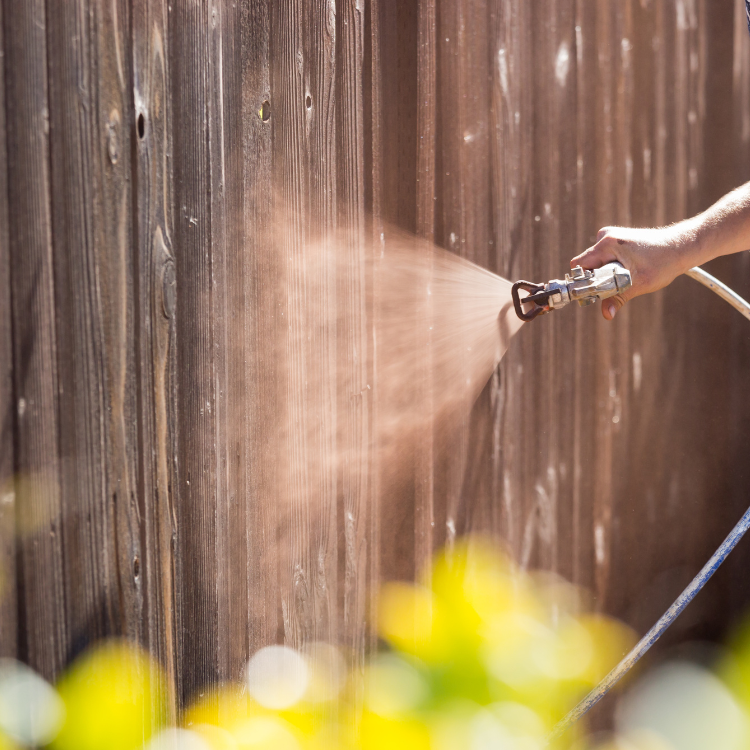
For ultra-smooth finishes like cabinets or doors, house painters in Denver often spray or use fine foam rollers instead of brushes. Dream Painting offers all three application methods, brush, roller, and spray, and we match the technique to the surface and desired finish.
Is It Better to Use a Brush or Roller to Paint a Wall?
For walls, a roller is almost always the better choice. Professional residential painting Denver crews rely on rollers for the bulk of wall coverage.
Use a roller when:
- Painting large wall surfaces
- You want even color and texture
- Speed and consistency matter
- Working with standard latex or acrylic paints
Use a brush when:
- Painting corners, edges, or tight areas
- Cutting in along trim or ceilings
- Doing small touch-ups or repairs
- Working with oil-based paints on trim or doors
Brushing an entire wall takes more time and usually shows brush marks once the paint dries, especially noticeable in Denver homes with abundant natural light from large windows and southern exposures. Rolling produces a cleaner, more professional look for most homes.
Denver painters who’ve worked in the area’s older neighborhoods know that plaster walls common in homes built before 1970 can be particularly unforgiving with brush application. These surfaces show every stroke and inconsistency, making roller application even more essential for quality results.
At Dream Painting, we educate clients about why we use specific tools for different surfaces. This transparency helps homeowners understand what they’re paying for and why professional results look different from DIY attempts.
What Are the Disadvantages of a Paint Roller?
Rollers work well, but they’re not perfect. Understanding limitations helps explain why professional painting contractors in Denver combine tools strategically.
Common roller disadvantages include:
- Splatter if overloaded or rolled too fast: Denver’s dry air can cause paint to mist more readily, especially with aggressive rolling technique.
- Difficulty reaching tight corners: Brushes excel where rollers can’t reach, behind toilets, inside closets, around electrical boxes.
- Texture variation if you use the wrong nap size: Using a ¾-inch nap on smooth walls creates orange peel texture. Using ⅜-inch nap on textured walls leaves thin coverage.
- Lap marks if paint dries before blending: This happens more frequently in Denver’s low-humidity environment, making technique and timing critical.
- Roller stipple on ceilings: Even the best roller leaves slight texture. For perfectly smooth ceilings, spraying works better.
- Most of these issues come from technique, not the roller itself. Using the right nap, applying even pressure, and working in sections solves most problems, skills that experienced interior painters in Denver develop through years of practice.
- Dream Painting invests in premium roller frames and covers that reduce splatter and provide smoother application. We also train our crews on Denver-specific techniques that account for our climate’s effect on paint behavior.
Get Smoother Walls With Proven Painting Methods
For nearly every interior painting job in Denver, rolling is better than brushing for walls, while brushing plays a supporting role for detail work. Professional Denver painters rely on rollers for speed and finish quality, then use brushes where precision matters.
If you want walls that look clean, even, and professionally painted, roll the walls and brush the edges. That combination delivers the best results without unnecessary effort or frustration, and it’s exactly how Dream Painting approaches every project.
Ready to see the difference professional technique makes? Contact Dream Painting today for a free estimate. We’ll show you why the right tools in experienced hands create results that DIY simply can’t match.
Let’s transform your Denver home with the quality and precision it deserves.