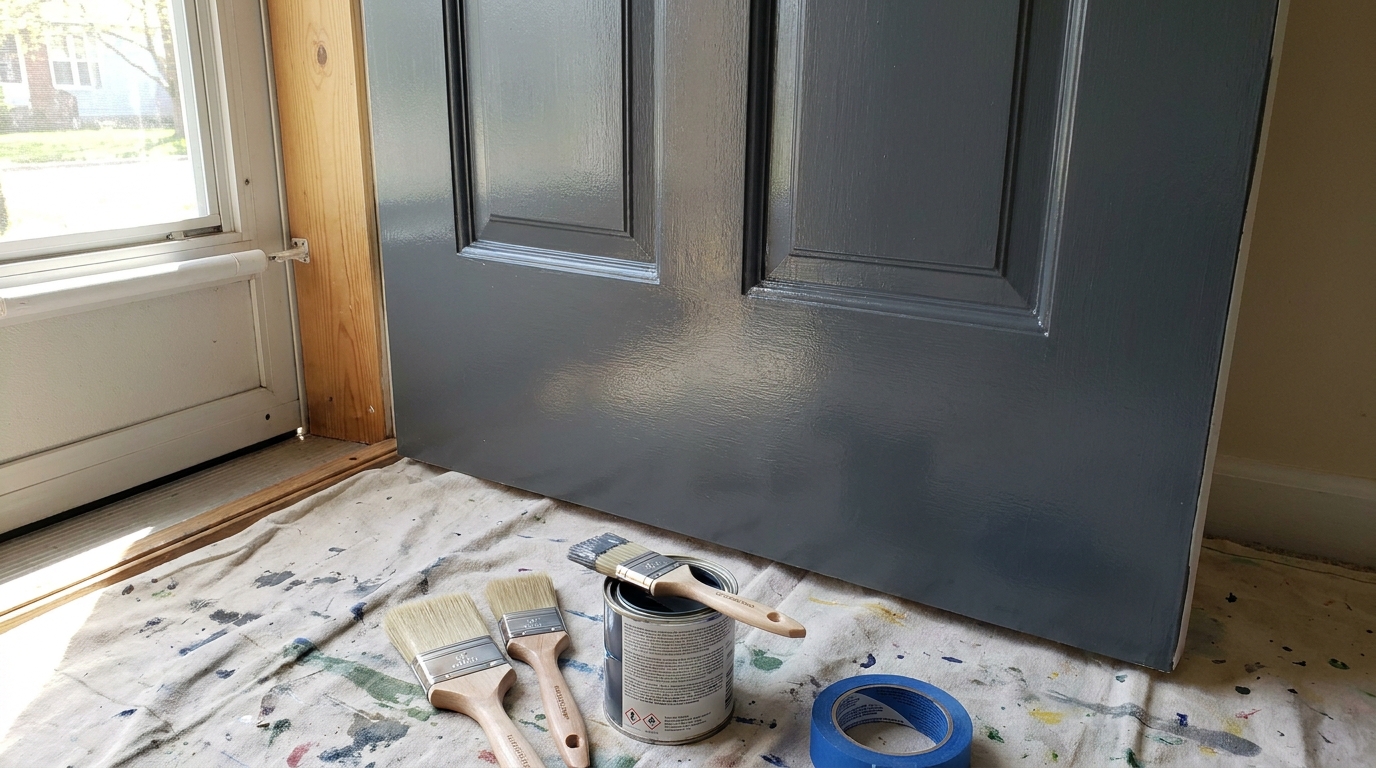
How to paint interior doors well comes down to two things: picking the right technique for your door style and prepping the surface properly before a single drop of paint touches it. Denver homes often have a mix of flat slab doors and decorative panel doors, and each one needs a different approach. Skip the wrong method, and you’ll end up with brush marks, drips, or paint that peels within a year. Follow the right steps, and you get a crisp, durable finish that holds up for years.
Dream Painting LLC is a family-owned, licensed and insured painting company serving Denver and surrounding communities including Arvada, Lakewood, Littleton, Centennial, and Parker. Kyler, who leads every project, has spent over 7 years perfecting interior finishes across the Denver metro. This guide shares the same process we use on real jobs, so you can tackle your doors with confidence or know exactly what to ask when you hire someone.
What Is the Difference Between Slab Doors and Panel Doors for Painting?
Slab doors have a completely flat surface with no grooves or raised sections, making them the faster and more forgiving option to paint. Panel doors have recessed or raised sections divided by rails and stiles, which adds architectural character but demands more careful brushwork. Knowing which type you have changes every decision that follows, from which tools to buy to how long the job will take.
Slab doors are common in mid-century and modern Denver homes. Their flat face responds well to spray application or a high-density foam roller. Panel doors show up more often in traditional and craftsman-style homes, and they require angled brushes to work paint into every crevice without leaving drips in the corners.
How to Paint a Slab Door Without Brush Marks
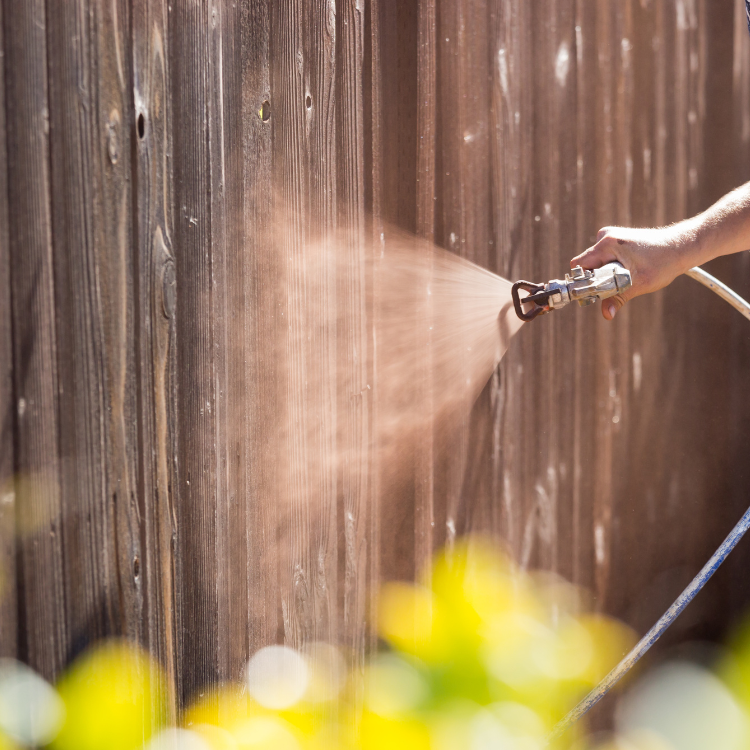
How to paint a door without brush marks on a slab surface starts with foam rollers or a spray gun rather than a bristle brush. Bristle brushes leave texture even when you apply light pressure. A foam roller lays paint flat, and a spray gun lays it flatter still.
Here is the process we use on slab doors:
Clean and degloss first. Wipe the door with a degreaser to remove oils and buildup. Lightly sand with 220-grit sandpaper, then wipe the dust away with a tack cloth. Paint will not bond well to a slick or greasy surface, no matter how good the product is.
Apply a bonding primer. One coat of primer gives the topcoat something to grip. Let it dry fully before moving on.
Roll or spray in one direction. Apply the first coat using long, even passes. Avoid going back over wet paint repeatedly, because that pulls fibers and creates texture. Let it dry, then sand lightly with 220-grit before the second coat.
Finish with two coats of semi-gloss or satin. Semi-gloss is the most popular choice for interior doors because it wipes clean easily and holds up to daily contact. Satin works if you prefer a softer sheen.
In practice, two finish coats over primer deliver a factory-smooth result on slab doors when the surface was prepped correctly. Skipping prep is the number one reason DIY door painting looks rough.
How to Paint a Panel Door Without Drips or Missed Spots
Panel doors need a specific painting order to avoid drips pooling in the corners and paint bridging across recessed areas. Paint the panels first, then the rails, then the stiles. Working in that sequence keeps wet edges manageable.
Use a 2-inch angled sash brush for the panel faces and a smaller detail brush for the grooves. Work paint into each recess with light strokes, then feather it outward toward the flat rail. After the panels are done, move to the horizontal rails, then finish with the long vertical stiles running top to bottom.
Avoid overloading the brush. Too much paint in the grooves is the main cause of drips on panel doors. Dip, tap off the excess, then apply with a light hand. You can always add a second coat, but cleaning up a drip after it dries means sanding the whole section.
For a satin finish on panel doors, the sheen level helps highlight the door’s depth and shadow lines. That effect disappears if you go too glossy, so satin is usually the better choice when the door has architectural detail worth showing off.
What Is the Best Paint for Interior Doors?
The best paint for interior doors is a water-based alkyd or a 100% acrylic formula in semi-gloss or satin finish. Water-based alkyds level out beautifully, dry faster than oil-based paints, and clean up with soap and water. They also hold up to repeated wiping without dulling the way flat paints do.
Oil-based paints were the standard for doors for decades because they level so smoothly. The trade-off is a longer dry time, stronger fumes, and cleanup that requires mineral spirits. For most Denver homeowners, a quality water-based alkyd hits the sweet spot between performance and convenience.
Avoid flat or eggshell finishes on doors. Doors get touched, bumped, and cleaned constantly. Flat paints absorb those marks instead of letting you wipe them away. Semi-gloss is the most durable choice for high-traffic doors like entry points to kitchens, bathrooms, and laundry rooms. Satin works well for bedroom and closet doors where you want a quieter look.
Should You Remove a Door to Paint It?
Should you remove a door to paint it depends on the finish quality you want and whether you have a spray setup. Removing the door and laying it flat nearly eliminates drips and gives you full access to the edges. If you are spraying, taking the door off is almost always worth the extra 10 minutes.
If you are rolling or brushing, painting the door in place is workable as long as you work carefully on the edges and use painter’s tape along the hinges and hardware. The disadvantage is that gravity pulls wet paint toward the bottom, so drips are more likely on vertical surfaces.
For panel doors with detailed grooves, removing the door and working on sawhorses makes the job significantly easier. You can rotate the door to keep the section you are painting as horizontal as possible, which reduces the chance of paint collecting in the recesses.
Pop the hinge pins out from the bottom, lift the door off, and set it on a pair of sawhorses or a door painting stand. Label which doorway it came from if you are painting multiple doors in one session.
A Real Project: Mid-Century Denver Home with Mixed Door Styles
Last month, I tackled a project in a mid-century home where the homeowners wanted to rejuvenate their interior doors. They had a mix of plain slab doors and ornate panel doors throughout the house. I started with the slab doors, using a spray technique to ensure the paint was even and without any brush marks, which can often mar a smooth surface. For the panel doors, I shifted to a fine-brush technique to carefully paint each groove and raised section, opting for a satin finish to help accentuate the door’s details and coordinate with their lightly colored walls. The homeowner was delighted with how the updated doors brought coherence and a subtle pop of character to their interior design.
That project is a good example of why one approach does not fit every door in a home. Spray application and brush application each have their place, and using both on the same job is common when the door styles are mixed.
Homeowners across the Denver metro choose Dream Painting LLC for clear communication, careful prep, and finishes that last.
Should You DIY Interior Door Painting or Hire a Pro in Denver?
DIY interior door painting is realistic for one or two slab doors if you have basic prep skills and the right tools. The job gets more demanding fast once panel doors, multiple rooms, or a full house are involved.
The honest breakdown: sanding, priming, and applying two coats of paint to a single door takes most homeowners 3 to 4 hours once you factor in dry time between coats. For a home with 10 to 15 doors, that is a multi-day project with staging, masking, and cleanup at every stage. Errors on panel doors, like drips in the grooves or missed coverage in the corners, are frustrating to fix after the paint has dried.
Kyler and the Dream Painting LLC crew have refined a process that handles both slab and panel doors efficiently. We bring the right spray equipment for flat surfaces and the right brushes for detailed panel work, so each door gets the technique it actually needs. Because we are licensed and insured, you are also covered if anything goes sideways.
Denver’s altitude and shifting humidity levels affect how fast paint dries and how well it bonds. Paint applied during a dry, low-humidity stretch cures faster but can also flash dry before it levels if you are not careful. A painter who works in the Denver area regularly knows how to adjust timing and product selection to those conditions.
If your goal is consistent results across every door in your home without spending a week on the project, calling a local professional is usually the faster and less stressful path.
How to Get a Professional Finish on Interior Doors: Quick Reference
Every smooth interior door paint job comes back to these core steps, regardless of door style:
Prep is non-negotiable. Clean the surface, sand it lightly, and wipe it down before primer goes on. Dirty or slick surfaces cause adhesion failures no matter how good the paint is.
Prime before you paint. One coat of primer seals the surface and gives the topcoat something to bond to. Skipping primer almost always shows up in the final result.
Use the right tool for the surface. Foam rollers and spray guns for slab doors. Angled sash brushes for panel grooves. Using a bristle brush on a flat surface is the main reason people end up with brush marks they cannot fix.
Follow the correct painting order on panel doors. Panels first, then rails, then stiles. This sequence keeps wet edges manageable and prevents paint from piling up at intersections.
Apply thin coats and let them dry fully. Two thin coats outlast one thick coat every time. Thick coats sag, drip, and take much longer to cure.
Sand lightly between coats with 220-grit. This levels any texture that formed as the first coat dried and helps the second coat bond tightly.
Ready to Update Your Doors? Call Dream Painting LLC
Dream Painting LLC serves Denver, Arvada, Aurora, Castle Rock, Commerce City, Greenwood Village, Centennial, Lakewood, Littleton, Parker, Thornton, and Westminster. Whether you have two doors or twenty, Kyler and the team bring the prep work, the right products, and the detailed brushwork that turns an ordinary interior into something that actually looks finished. If you have stained wood doors you’d rather keep natural, ask about our door refinishing service too. If you live in Castle Rock and have been searching for house painters near me, our local team offers free estimates there too.
Call (720) 731-2027 today to request a free estimate. We will walk you through what your doors need and give you a straight answer on timeline and what to expect.