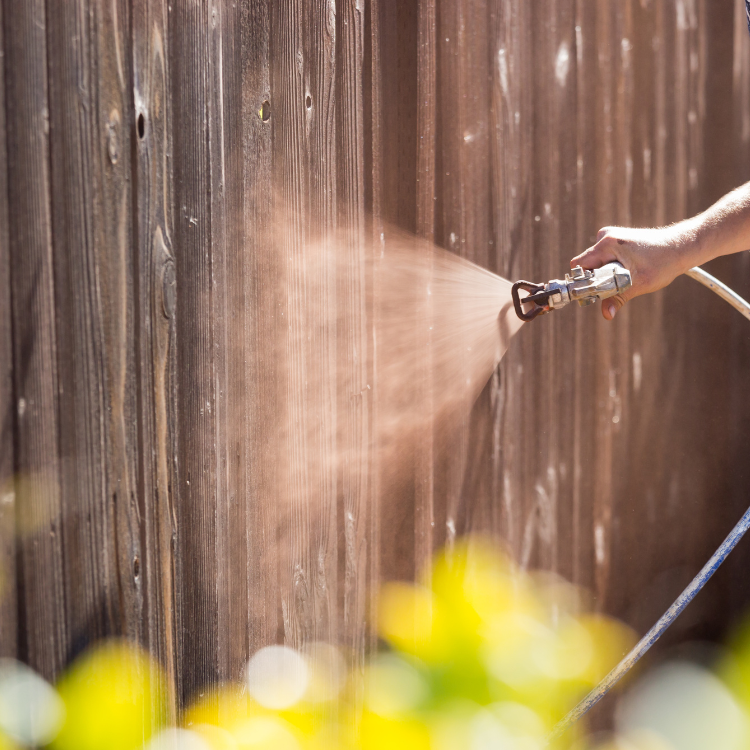
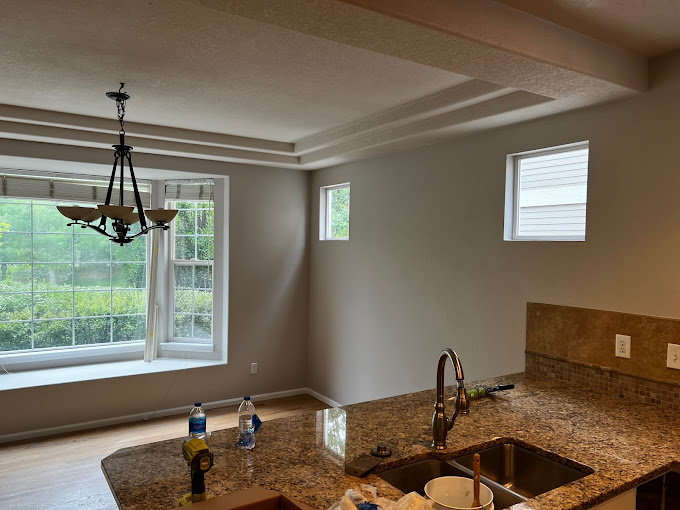
Priming feels like an extra step, so it’s one of the first things homeowners question when planning a paint project. The short answer is this: sometimes you must prime, sometimes you don’t. The key is knowing what the surface needs, not following a blanket rule – a distinction experienced Denver painters emphasize with every homeowner who asks.
Primer prepares the surface so paint can bond evenly and last longer. When house painters Denver contractors work with skip primer in situations that require it, paint failures show up fast. When they use primer correctly, the finish looks smoother, covers better, and holds up for years. This is especially true in Colorado’s challenging climate.
If you want predictable results and fewer surprises, primer decisions matter just as much as paint choice. Professional interior painters Denver specialists and exterior house painters Denver crews make these decisions based on surface evaluation, not convenience or cost-cutting.
Below is clear guidance – informed by what painting contractors Denver homeowners trust actually see on job sites – about when primer is essential and when you can safely skip it.
Snippet-Worthy Answer: When to Prime Before Painting
You should prime before painting when surfaces are bare, stained, glossy, repaired, or changing from a dark color to a light one. Primer improves adhesion, blocks stains, and creates a uniform surface. You can skip primer only when existing paint is clean, flat, and in excellent condition. Most reputable painting companies Denver residents work with evaluate these factors during estimates to ensure proper preparation and lasting results.
What happens if you paint without priming first?
When a surface needs primer and you skip it, paint problems don’t always show up right away. They often appear weeks or months later – a frustration Denver painters encounter constantly when fixing failed DIY projects or correcting shortcuts taken by unlicensed contractors.
Paint applied without primer can peel, chip, or bubble because it fails to bond properly. Stains from water, smoke, or grease can bleed through fresh paint, creating shadows and discoloration that show through even multiple coats. Uneven surfaces may flash, meaning you see dull and shiny patches across the wall – a telltale sign that experienced house painters Denver homeowners hire recognize immediately.
In areas with temperature swings and strong sunlight, like Denver and the Front Range, skipped primer causes paint to fail even faster. Exterior house painters Denver specialists see this constantly on south and west-facing walls where UV exposure is most intense. Primer acts as a stabilizing layer that protects paint from these environmental stresses.
This is why established painting contractor Denver professionals build primer evaluation into every estimate rather than assuming it’s optional. The upfront cost of primer is far lower than repainting a failed finish within a year.
Is primer really necessary before painting?
Primer is necessary when the surface demands it. It’s not necessary when the surface already provides good adhesion and uniformity – a nuance interior painters Denver professionals understand well.
You should always prime bare drywall, raw wood, patched areas, stained surfaces, and glossy finishes. Primer seals porous materials and prevents uneven absorption. It also helps paint stick to slick or previously sealed surfaces. Most Denver painters won’t start a project involving these conditions without proper primer, regardless of timeline pressure.
If walls already have flat or eggshell paint, look clean, and show no damage, you may not need primer. In those cases, quality paint alone can perform well. Reputable painting companies Denver families trust make this determination based on actual surface inspection, not just square footage estimates.
Residential painting Denver contractors and commercial painting Denver teams both follow this principle – primer is used strategically, not universally. The difference separates professionals who understand surface preparation from those who simply apply coats of paint.
Do I need to prime over old paint?
You need to prime over old paint when the old paint creates a problem for the new one – this is one of the most common questions painting contractors Denver homeowners ask during consultations.
Prime over old paint if it’s glossy, stained, damaged, or heavily patched. Prime when you cover dark colors like red, orange, or deep blue – these require tinted primer to prevent bleed-through, something every experienced house painters Denver professional stocks. Prime when previous paint is chalky or uneven, conditions that prevent proper adhesion.
If the old paint is flat, intact, and clean, priming may not be necessary. Many professional Denver painters evaluate adhesion with a quick test rather than assuming primer is required everywhere. They’ll press tape firmly against the wall and check whether paint lifts when removed – a simple field test that determines actual primer necessity.
Interior painters Denver specialists use this approach constantly when quoting repaint projects. It saves homeowners money on unnecessary primer while ensuring it’s used where it actually matters. This balance of efficiency and thoroughness is what distinguishes quality painting companies Denver residents recommend from contractors who either over-prep (inflating costs) or under-prep (guaranteeing failure).
Can you paint over existing paint without priming?
Yes, you can paint over existing paint without priming in specific situations – but Denver painters caution that this decision should be based on surface evaluation, not budget constraints.
If the existing paint is clean, flat or eggshell, and firmly attached, you can often apply new paint directly. Washing the surface and light scuffing usually provide enough bonding for quality paint. Most residential painting Denver projects in recently painted homes fall into this category.
You should not skip primer on glossy finishes, oil-based paint, or surfaces with stains. In those cases, primer replaces sanding or works alongside it to create proper adhesion. Exterior house painters Denver crews encounter this frequently on older homes where oil-based trim paint was common – the glossy finish absolutely requires bonding primer or thorough sanding before latex topcoats.
Skipping both sanding and primer is one of the most common causes of early paint failure that painting contractor Denver professionals see. It’s the classic homeowner shortcut that costs more in the long run when paint peels within months.
Choosing the Right Primer and Paint
Not all primers do the same job – a fact that separates experienced house painters Denver contractors from amateurs. Some block stains. Others improve adhesion. Some seal porous surfaces. A professional selects primer based on the surface problem, not convenience.
High-quality systems from brands like Sherwin-Williams offer primers designed for drywall, stains, bonding, and moisture resistance. Matching the primer to the problem produces better results than using a single product everywhere. Interior painters Denver specialists typically stock 3-4 different primer types specifically for this reason.
Most painting companies Denver residents trust maintain relationships with professional paint suppliers who help them match primers to specific applications. This expertise – knowing which primer solves which surface challenge – is what you’re actually paying for when you hire professional Denver painters rather than attempting DIY work.
For commercial painting Denver projects with strict timelines and performance requirements, primer selection becomes even more critical. The wrong primer can delay drying times or cause adhesion failures that shut down business operations.
A Practical Takeaway for Homeowners
Primer is not about doing more work. It’s about doing the right work – a philosophy every quality painting contractor Denver families refer operates by.
If you prime when the surface needs it, paint covers better, looks smoother, and lasts longer. If you skip primer when the surface demands it, paint will fail no matter how expensive it is. Denver painters see this pattern constantly: homeowners buy premium paint but skip necessary primer, then wonder why their finish looks uneven or fails within a year.
When in doubt, ask why primer is recommended or why it’s not. A professional house painters Denver contractor who can explain that clearly – referencing your specific surface conditiorather than giving generic answers – usually knows how to deliver results that last.
Whether you’re working with residential painting Denver professionals on your home or commercial painting Denver contractors on a business property, the primer principle remains the same: use it strategically based on surface needs, not as an automatic step or automatic skip.
The best interior painters Denver specialists and exterior house painters Denver crews built their reputations on work that lasts – and proper primer use is foundational to that longevity, especially in Colorado’s demanding climate.