For years, white trim paired with colored walls was considered the standard. Today, however, more homeowners are exploring a different approach, painting the trim and walls the same color. This design trend creates a seamless, sophisticated look that works beautifully in many homes, but it’s not always the right choice for every room.
If you’re repainting your Denver home, deciding whether your trim should match your walls depends on your home’s architecture, natural lighting, and the overall style you’re trying to achieve. As a painting company denver homeowners turn to for guidance on exactly this kind of decision, Dream Painting has found that rather than following a trend, it’s worth understanding how each approach affects the look and feel of your space. The right combination can make rooms feel larger, highlight architectural details, and give your home a polished appearance that remains stylish for years.
Is it a trend to paint walls and trim the same color?
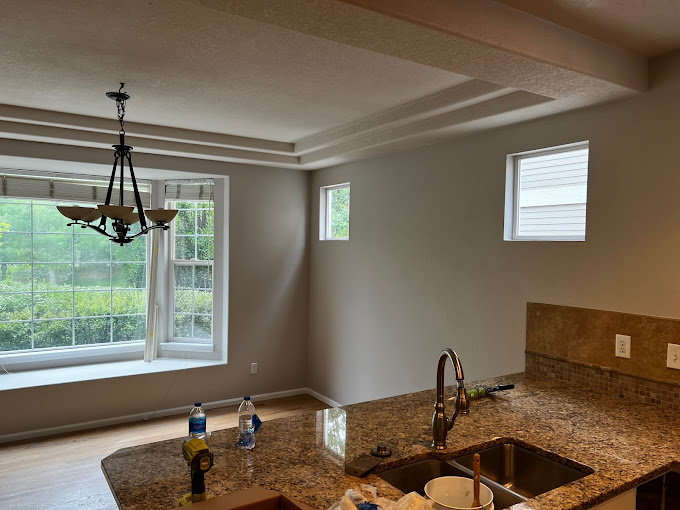
Yes, painting walls and trim the same color has become one of the most popular interior design trends, especially in modern, transitional, and contemporary homes. Instead of creating contrast with bright white trim, using the same color throughout produces a clean, cohesive appearance that feels calm and intentional.
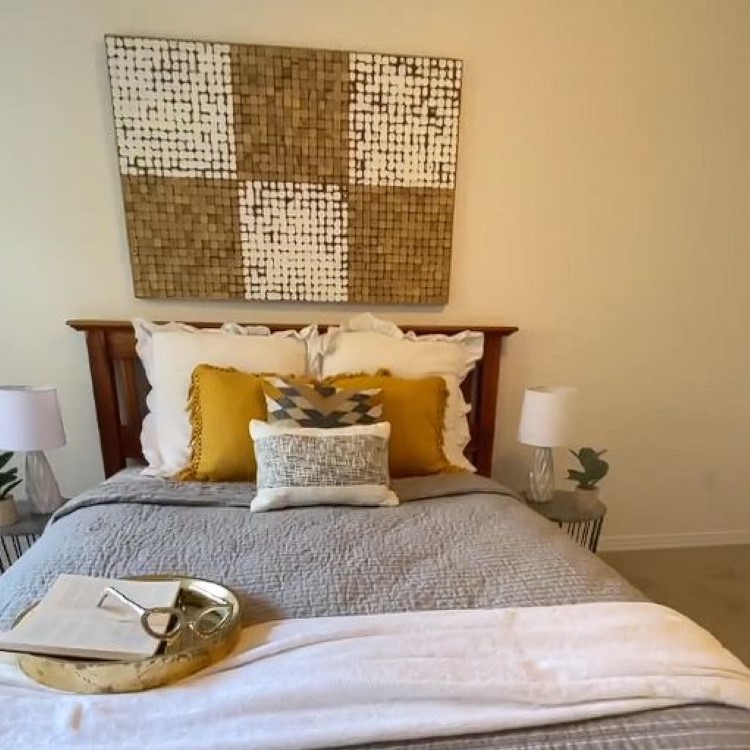
This approach works particularly well in bedrooms, home offices, dining rooms, and living spaces where you want a softer, more immersive atmosphere. Architectural features blend seamlessly into the design, allowing furniture, artwork, and décor to become the focal points.
That said, the trend is successful because it’s rooted in timeless design principles, not because it’s simply fashionable. Choosing a versatile neutral like warm white, greige, taupe, or soft sage allows the look to remain elegant long after trends evolve. Many homeowners also choose different paint sheens rather than different colors, using an eggshell finish on walls and a satin or semi-gloss finish on trim. This subtle contrast highlights the trim while maintaining a cohesive color palette, a detail any skilled painting contractor denver homeowners hire should know to recommend.
Should your baseboards be the same color as your walls?
Baseboards can absolutely be the same color as your walls, and many designers recommend this approach for creating a more unified space.
Matching baseboards to the walls minimizes visual interruptions around the room, making ceilings appear taller and spaces feel larger. This is especially beneficial in homes with lower ceilings or smaller rooms where every visual inch matters.
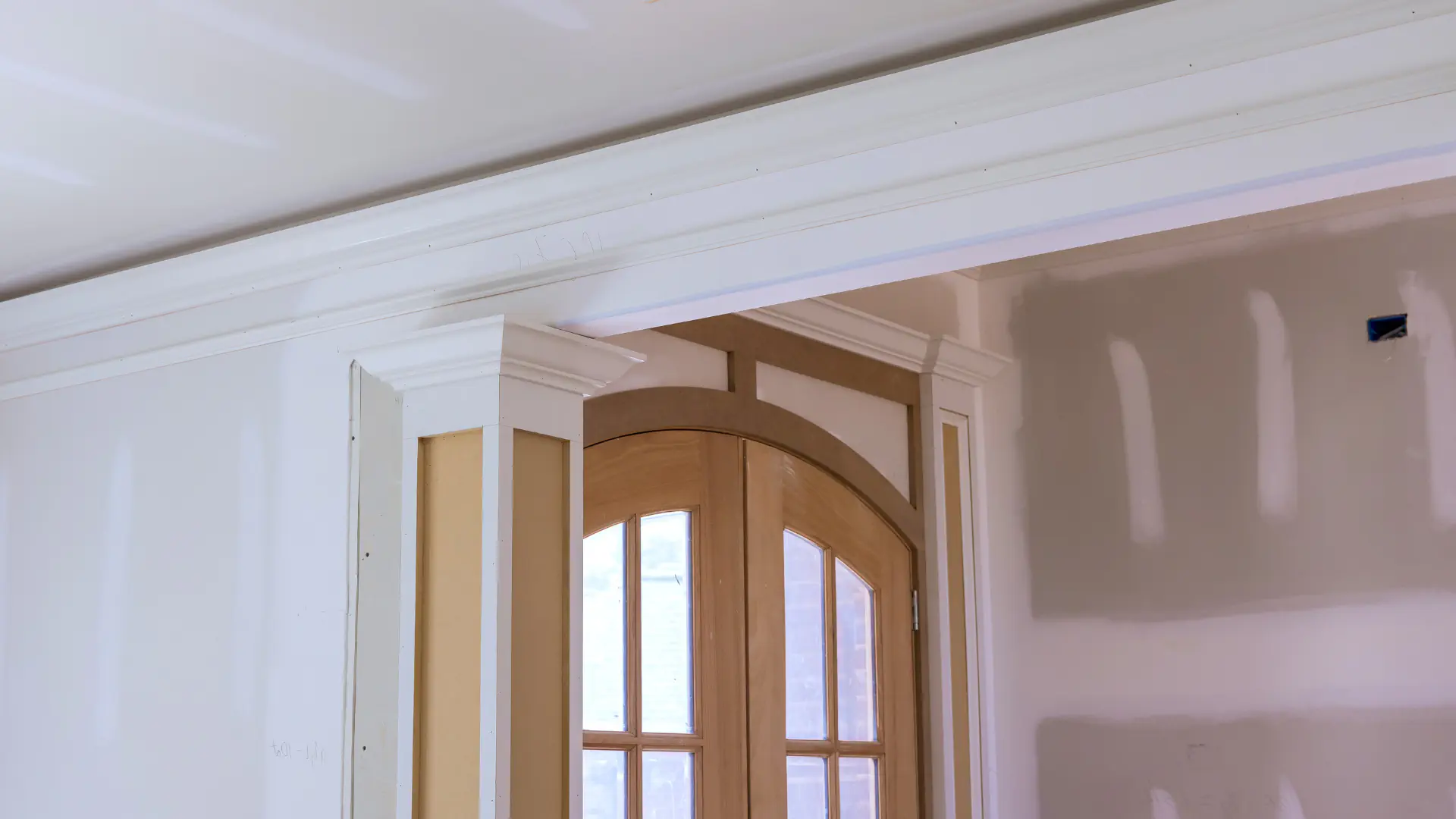
However, traditional white baseboards remain a great option if you want to emphasize architectural details or create crisp contrast. They work particularly well in classic homes, colonial architecture, or spaces with detailed moldings.
The decision ultimately comes down to the style you’re aiming for. Contemporary homes often benefit from matching walls and trim, while more traditional interiors may feel more balanced with contrasting white trim. The Dream Painting team typically walks clients through both looks before committing to a full room.
Should trim be lighter or darker than the walls?
Traditionally, trim is painted lighter than the walls, most commonly white or off-white, to frame the room and emphasize windows, doors, and moldings.
Today, there are more design options than ever. Lighter trim creates brightness, defines architectural features, and complements both classic and transitional interiors. Matching trim and walls produces a modern, elegant look that reduces visual clutter. Darker trim can add drama and sophistication when paired with lighter walls, although it’s typically used selectively as a design statement rather than throughout an entire home.
Rather than following strict rules, many professional house painters denver residents rely on recommend choosing the combination that best complements your home’s architecture, lighting, flooring, and personal style.
What colors make a house look expensive?
Homes that feel luxurious often rely on restrained, timeless color palettes rather than bold or overly trendy shades.
Warm whites create a clean, refined appearance while maximizing natural light. Greige offers warmth and sophistication that complements nearly any decorating style. Soft taupe adds richness without overwhelming the room. Muted sage green introduces subtle character while maintaining elegance. Deep charcoal or navy can be used strategically on accent walls, built-ins, or cabinetry to add depth and contrast.
In Denver homes, these colors pair beautifully with natural wood, stone fireplaces, and abundant sunlight, creating interiors that feel both welcoming and upscale. Combined with crisp paint lines and high-quality finishes, the kind of detail-oriented work interior painters denver clients expect from Dream Painting, they help create the polished appearance many homeowners associate with professionally designed spaces.
Choose the look that fits your home’s style
Whether you decide to paint your trim the same color as your walls or prefer classic white contrast, the goal is the same: creating a home that feels balanced, cohesive, and timeless. The best color combinations are the ones that complement your home’s architecture and reflect how you want each room to feel, not simply what’s trending this year.
If you’re updating your home in Denver, the experienced team at Dream Painting can help you compare color combinations, finishes, and design options before the first brushstroke, whether the project is a single room of residential painting denver work or trim and siding refreshed by our exterior house painters denver crews. Schedule your project planning visit to receive expert guidance and create a color palette you’ll enjoy for years to come.