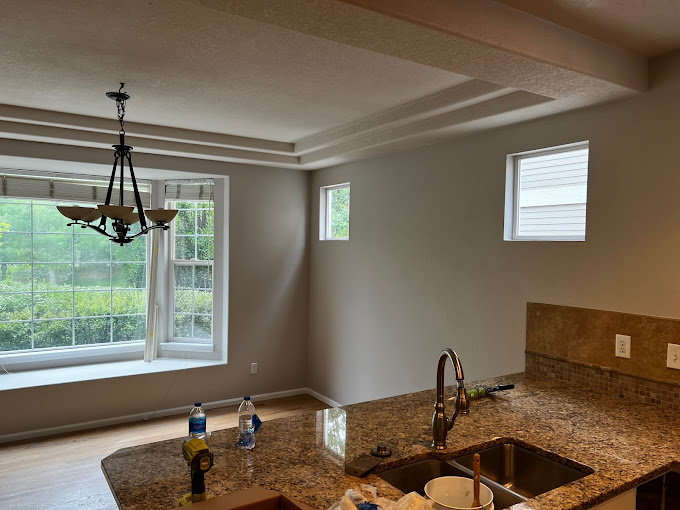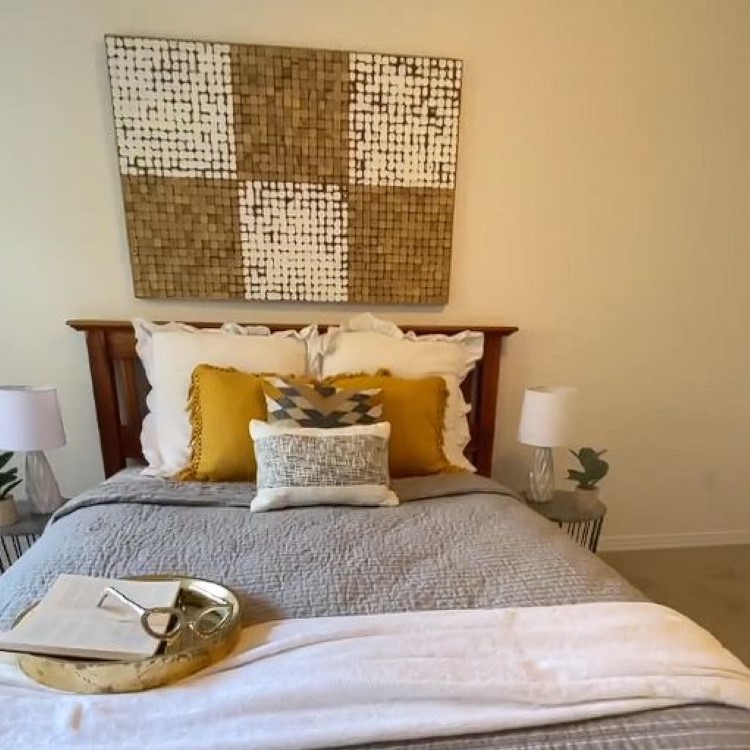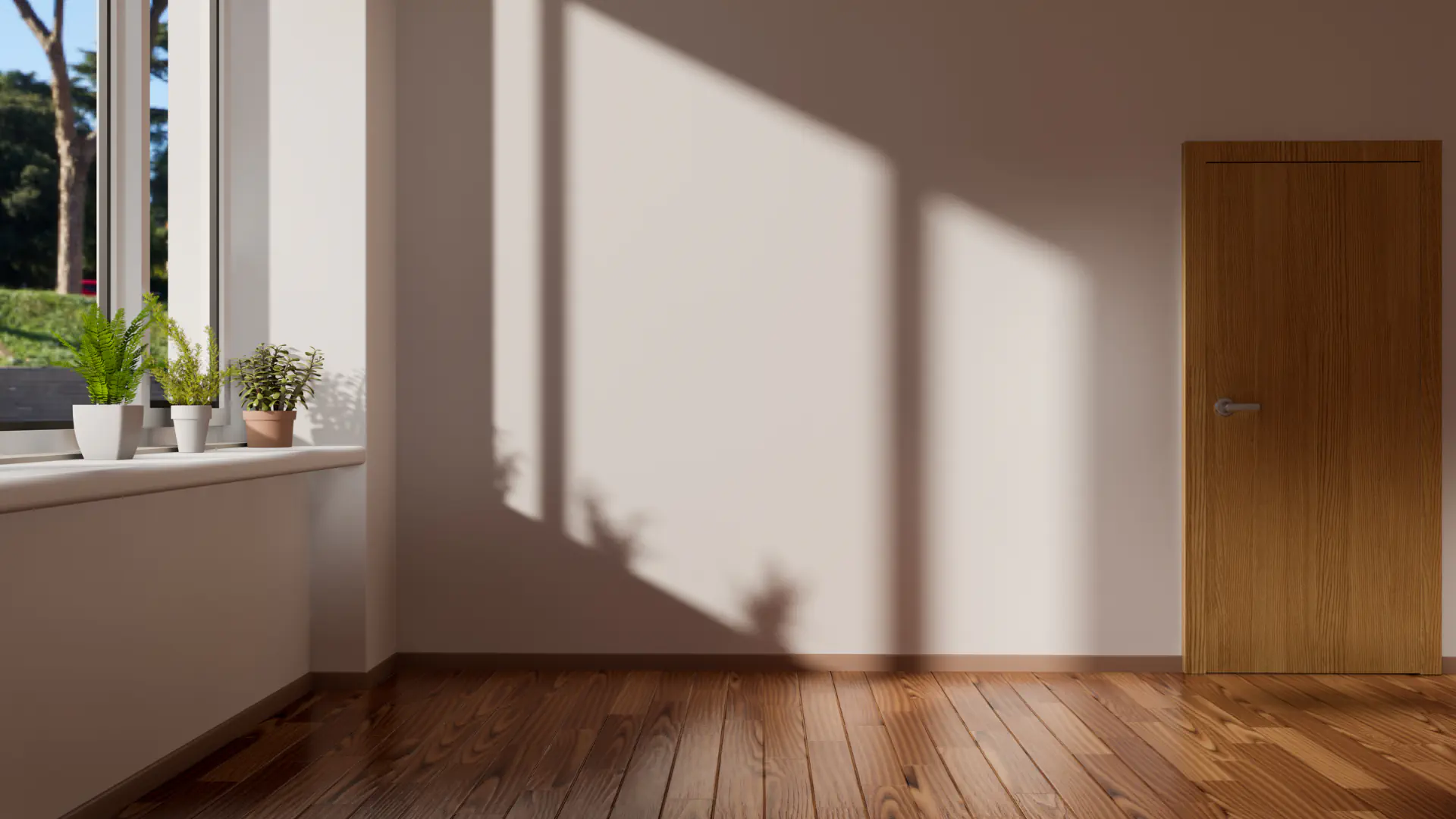
A home filled with natural sunlight feels extraordinary, until you realize your paint color isn’t behaving the way you expected. In bright climates like Denver, CO, strong daylight doesn’t just illuminate your walls. It transforms them. A soft neutral that feels crisp and grounded in the morning can look washed out and flat by early afternoon. A shade you loved on the sample chip can read completely differently once it’s competing with a west-facing window at 3 p.m.
Choosing paint for sun-filled homes isn’t just about taste, it’s about understanding how light interacts with color across the entire day. It’s one of the most nuanced parts of any interior or exterior project, and it’s where the guidance of experienced interior painters in Denver makes the most tangible difference. At Dream Painting, it’s a conversation we have with nearly every Denver homeowner we work with, because getting it right from the start saves a very frustrating repaint later.
The Best Paint Colors for Sun-Filled Homes
The colors that perform best in homes with abundant natural sunlight share a common quality: they are soft, balanced, and anchored by warmth. Specifically, shades with warm or neutral undertones handle strong light far better than cool-toned alternatives, because they absorb some of the brightness rather than amplifying it.
Warm whites, light greige, soft beige, muted taupe, and gentle earthy tones consistently perform well in bright rooms, reflecting light evenly without tipping into harshness or glare. These are the shades that experienced house painters in Denver reach for most often in sun-heavy spaces, and for good reason.
In very bright rooms, pure cool whites can feel overwhelming, more clinical than clean. Cool grays, which look sophisticated in balanced lighting, can flatten out or read as icy under intense direct sun. By contrast, colors with warm undertones stay visually stable as the light shifts, maintaining a comfortable, consistent feel from morning through evening rather than swinging dramatically between looks.
The practical takeaway for any residential painting Denver project in a sun-filled home: lean warmer than your instinct tells you to, and always test large samples on the actual walls before committing. A 3-inch chip in a paint store is evaluated under completely different light conditions than your living room at noon, and the difference matters more in Denver than almost anywhere else.
Why Sunlight Hits Differently in Denver Homes
Denver’s sunlight is not the same as sunlight in Chicago, Seattle, or even Phoenix. At over 5,280 feet of elevation, with an atmosphere that is thinner and far less filtered by humidity or haze, light arrives in Denver cleaner and more direct than most homeowners have experienced elsewhere. More than 300 days of sunshine per year means this isn’t an occasional consideration, it’s a constant factor in every color decision.
The practical effect is significant. Colors shift more dramatically throughout the day in Denver homes than they do in lower-elevation cities. Walls facing large west-facing windows, common in Aurora, Littleton, and newer builds throughout the metro, can look like an entirely different shade at 4 p.m. compared to 9 a.m. A painting contractor in Denver who doesn’t account for this is setting clients up for disappointment.
This is precisely why interior painters in Denver with genuine local experience recommend slightly warmer neutrals as a default, not because warmer is always “better,” but because warmth acts as a buffer against the sharpening and bleaching effect of Colorado’s intense daylight. It keeps colors from drifting toward cold or flat as the sun peaks, maintaining the visual comfort you chose the color for in the first place.
Dream Painting evaluates light conditions on-site during every Project Planning Visit, looking at window orientation, ceiling height, and how light moves through the space across the day, before making any color recommendations.
What Is the Best Color to Paint a Room With Lots of Natural Light?
For rooms with strong, consistent natural light, the most reliable performers are soft neutrals that control brightness without muting the space. Warm whites, creamy off-whites, light beige, and subtle greige tones are the go-to choices among experienced residential painting Denver professionals for a reason, they reflect natural light evenly while preventing the glare and visual fatigue that harder, cooler shades can create.
A few practical principles worth knowing:
Avoid overly cool whites in sun-heavy rooms. What reads as clean and modern in a showroom can feel sterile and sharp once it’s amplifying direct sunlight on a large wall.
Treat gray with caution in bright spaces. Cool grays that look sophisticated in balanced lighting often flatten out under strong sun, losing the depth that made them appealing to begin with.
Warm undertones are your ally. A warm white or soft greige that might feel almost too subtle on a chip will often look exactly right once natural light brings out its undertones on the wall.
Finish matters as much as color. In bright rooms, flat and matte finishes absorb more light and reduce glare. Eggshell works well for most walls. A painting company in Denver can guide you on the right sheen for each surface and exposure.
What Exterior Colors Make a House Look More Expensive?
The exterior colors most consistently associated with a high-end appearance are timeless, understated, and chosen with contrast in mind. Deep charcoal, warm white, soft taupe, muted sage, and earthy clay tones are the palettes that exterior house painters in Denver see on the most desirable homes, and there’s a reason they keep appearing.
These colors work because they highlight architectural details rather than compete with them. A well-chosen body color sets the tone; the trim defines the structure; an accent color at the front door creates the focal point. When those three elements are in clear, deliberate relationship with each other, the home reads as designed, and that perception of intentionality is what creates the feeling of quality.
Clean contrast is one of the most reliable tools in exterior design. Crisp white or warm cream trim against a deeper body color, charcoal, navy, forest green, creates definition and dimension that flat, single-tone exteriors simply cannot achieve. In Denver’s bright sunlight, this contrast reads especially well, because the light accentuates edges and shadows in a way that makes architectural detail pop.
House painters in Denver who specialize in exterior work think in terms of how a facade will read from the street, across the yard, and in full afternoon sun, not just how the colors look next to each other on a chip. That perspective is what separates a cohesive, elevated exterior from one that feels like it was assembled from separate decisions.
For commercial painting Denver projects, the same principles apply. A business exterior that reads as intentional, polished, and well-maintained communicates professionalism before a client ever walks through the door.
Can a Room Have Too Much Natural Light?
Yes, and in Denver, this is less of a hypothetical than homeowners might expect. While abundant natural light is one of the most desirable qualities a home can have, it comes with real trade-offs when it tips from “bright and inviting” into “glaring and uncomfortable.”
Excessive direct sunlight can create visual glare that makes rooms difficult to use during peak hours, generate heat buildup in south- and west-facing rooms, fade furniture and flooring over time, and, most relevant for paint decisions, distort color so significantly that walls appear to change shade several times throughout the day.
The solutions are layered. Window treatments that diffuse rather than block light are one of the most effective tools. UV-filtering window films can reduce fading and heat without sacrificing brightness. And on the paint side, choosing matte or flat finishes rather than eggshell or satin in the most intensely lit areas reduces reflectivity and softens the visual impact of direct sun.
A painting contractor in Denver who understands light dynamics can factor these considerations into finish recommendations, not just color choices. At Dream Painting, sheen selection is always part of the conversation, because the right finish in the wrong room can undermine an otherwise excellent color decision.
Which Colors Absorb the Most Sunlight?
The relationship between color and light absorption follows a straightforward principle: darker colors absorb more light and heat, lighter colors reflect more. Deep shades, black, dark navy, charcoal, forest green, absorb the most sunlight, which is why exterior house painters in Denver approach dark exterior colors with specific knowledge of orientation and exposure.
On a north-facing exterior wall in Denver’s colder months, a dark body color can be genuinely beneficial, retaining warmth and reducing the visual heaviness of a shadowed elevation. On a south- or west-facing wall that receives intense direct afternoon sun, the same dark color can absorb significant heat, affecting both the material beneath and the comfort of interior rooms behind it.
For interior applications in sun-heavy rooms, dark accent walls can create dramatic, beautiful results, but placement matters. A dark accent wall on the wall opposite a large window reads as rich and intentional. The same color on the sun-struck wall itself can create uncomfortable heat and visual intensity throughout the day.
Interior painters in Denver with exterior and interior experience understand how to balance these dynamics, and how to use both light and dark tones strategically to get the result you’re after without the trade-offs you didn’t anticipate.
Final Thought: In Sun-Filled Homes, Light Is the Design Partner
Homes with abundant natural sunlight offer some of the most rewarding design potential of any environment, but they require a more considered approach to color than most homeowners initially expect. The best results don’t come from finding a beautiful color and hoping it holds up. They come from understanding how your specific light conditions interact with undertone, finish, and placement, and making choices that account for all of it.
Whether you’re working with a painting company in Denver on a whole-home interior refresh, planning exterior updates with exterior house painters in Denver who understand how Colorado sun affects both color and material, or approaching a commercial painting Denver project where a professional appearance across all lighting conditions is non-negotiable, the principles are the same. Warmth, balance, and on-site evaluation before commitment.
Dream Painting brings that depth of local knowledge to every project in Denver, CO. It’s not just about what looks good on a chip. It’s about what looks right on your walls, in your light, every day.
Want Colors That Actually Perform in Denver’s Sunlight?
Don’t leave it to chance. Dream Painting offers free Project Planning Visits for Denver homeowners who want on-site color guidance evaluated in their actual space, in real light, before any decisions are locked in.