Some paint colors fight back. Homeowners notice it when the old color keeps showing through, even after multiple coats. The challenge comes from pigment strength, sheen, and how light interacts with the surface. Knowing which colors cause trouble helps you plan prep, primer, and paint choices so the finish looks clean and lasts – something Denver painters emphasize with every homeowner attempting color changes.
In real homes, the hardest colors to paint over share one trait: they use strong pigments that resist coverage. Without the right prep, these colors bleed through and create uneven results. Professional house painters Denver contractors work with see this constantly when homeowners attempt DIY color changes or when budget contractors skip necessary primer steps.
Below is practical guidance – informed by what painting contractors Denver homeowners trust actually encounter on job sites – about which colors present the biggest coverage challenges and how to handle them successfully.
Snippet-Worthy Answer: Hardest Colors to Cover
The hardest colors to paint over are red, dark blue, black, and bright yellow. These colors contain strong pigments that show through lighter paints unless you use a stain-blocking or tinted primer. Red is usually the most difficult because it bleeds through standard paint and often requires primer plus multiple coats. Most experienced interior painters Denver professionals automatically budget for specialized primers when covering these problematic colors.
What is the hardest color to cover with paint?
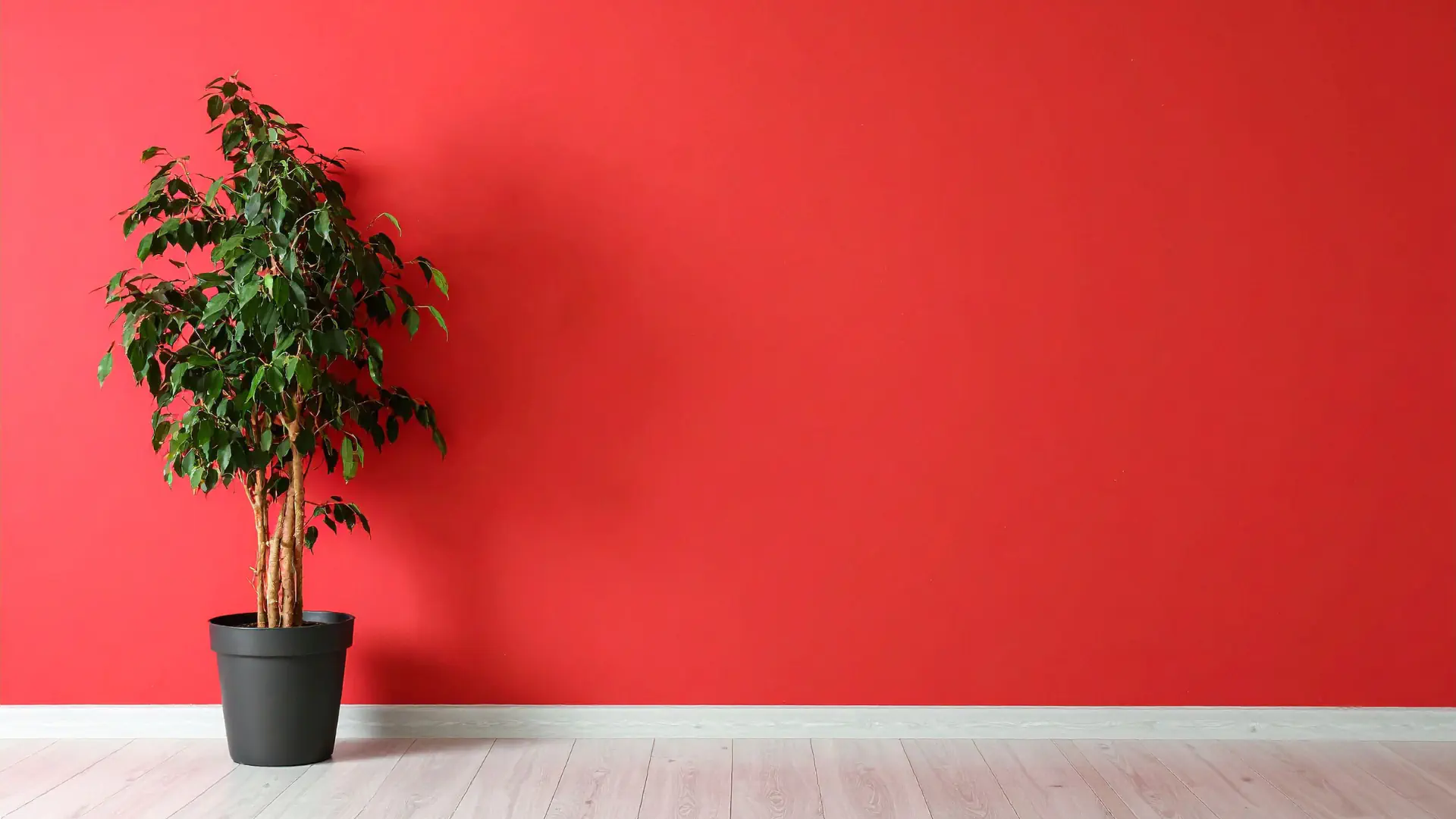
Red ranks as the hardest color to cover – a fact every Denver painter learns early in their career. Its pigment shows through whites, beiges, and pastels more than almost any other color. Bright reds and burgundies often require a dedicated stain-blocking primer before the finish coats, something professional painting companies Denver residents work with stock specifically for this challenge.
Bright yellow also causes problems despite looking light. It stains easily and flashes through new paint, creating uneven appearance. Dark blues and blacks present a different challenge – they need more coats to achieve full opacity, especially when switching to lighter colors. Interior painters Denver specialists frequently encounter these issues in homes where previous owners chose bold accent walls.
Glossy versions of these colors make coverage even harder because new paint struggles to bond without sanding or primer. This is why reputable house painters Denver contractors recommend always evaluate sheen level alongside color when planning coverage strategies.
Residential painting Denver projects involving color changes from dark or saturated hues typically require 20-30% more prep time than simple repaints in similar colors. Experienced painting contractor Denver professionals factor this into estimates to ensure proper coverage without mid-project surprises.
What color is replacing gray in 2025?
In 2025, homeowners move away from cool grays toward warm neutrals and earthy tones – a shift Denver painters see reflected in virtually every residential project currently underway.
Popular replacements include greige, warm taupe, soft beige, muted clay, and light mushroom tones. These colors feel warmer, hide wear better, and pair well with natural wood and stone finishes common in Colorado homes. Many painting companies Denver families work with report that warm neutrals now represent 60-70% of interior color requests.
Designers also favor soft sage green and warm off-white shades for interiors. These colors create depth without the harsh contrast issues that gray sometimes causes, especially in Denver homes with abundant natural light. Interior painters Denver contractors frequently recommend these warmer alternatives to clients moving away from the cool-toned grays that dominated the previous decade.
The shift away from gray means fewer house painters Denver professionals encounter the color-matching challenges that gray presented – different batches often showed slight undertone variations that became obvious under Colorado’s intense sunlight.
What is the easiest color to paint?
The easiest colors to paint are mid-tone neutrals – colors Denver painters appreciate because they forgive minor application imperfections and deliver consistent results.
Soft beige, warm off-white, light greige, and muted tan cover well and hide minor wall flaws. These shades usually require fewer coats and look even under different lighting conditions. Most painting contractors Denver homeowners trust recommend these colors for first-time DIYers or for projects where budget limits professional involvement.
Flat or eggshell finishes also apply more easily than high-gloss paints. They forgive small imperfections and touch up better over time – advantages that professional residential painting Denver contractors point out when helping homeowners choose finishes that balance appearance with maintainability.
Interior painters Denver specialists often suggest mid-tone neutrals for rental properties specifically because they’re easier to touch up and repaint between tenants, reducing long-term maintenance costs.
What is the hardest paint color to maintain?
The hardest colors to maintain are pure white, high-gloss black, and very dark matte colors – finishes that house painters Denver contractors warn require ongoing commitment from homeowners.
White shows scuffs, fingerprints, and dirt quickly, requiring frequent cleaning. Dark colors reveal dust, streaks, and roller marks that might be invisible on lighter walls. High-gloss finishes magnify every wall flaw and require frequent cleaning to look good – something Denver painters explain carefully to clients drawn to dramatic high-gloss feature walls.
In Denver and throughout Colorado’s Front Range, dark exterior colors also fade faster due to intense UV exposure at our elevation. Maintenance demands increase when color choice doesn’t match the environment or wall condition. Exterior house painters Denver crews frequently recommend mid-tone colors for south and west-facing walls specifically to minimize UV-driven fading and reduce repainting frequency.
Commercial painting Denver projects often involve maintenance calculations – choosing colors that balance brand requirements with long-term upkeep costs. Dark colors in high-traffic commercial spaces may need touch-ups 2-3 times more frequently than mid-tone alternatives.
How to Successfully Paint Over Hard Colors
You can avoid frustration by following proven steps that professional painting companies Denver residents recommend use on every challenging color-change project:
Clean the surface thoroughly to remove residue and oils that prevent adhesion. Lightly sand glossy areas to improve mechanical bonding. Use quality primer, tinted when necessary, to block bleed-through from strong pigments. Finish with high-quality paint designed for coverage and durability in Colorado’s climate.
Professional Denver painters choose primers and paint systems based on the existing color and surface condition, not convenience or lowest cost. That informed choice saves time, reduces required coats, and produces a smoother finish. Interior painters Denver contractors typically stock 3-4 different primer types specifically to handle various color-coverage challenges.
Painting contractor Denver professionals often perform test patches when covering particularly difficult colors – applying primer and one topcoat in an inconspicuous area to verify coverage before committing to the full project. This practice, standard among quality house painters Denver families refer, prevents mid-project color-change decisions that blow budgets and timelines.
A Practical Takeaway for Homeowners
Hard colors are manageable with the right preparation. Red, yellow, and dark shades don’t require endless coats if you prime correctly and choose quality materials – guidance every experienced Denver painter provides during color-change consultations.
If you want a clean color change that lasts, focus on prep and primer first. Paint performs best when the surface beneath it works in your favor, not against you. This principle applies whether you’re working with interior painters Denver specialists on residential projects or commercial painting Denver contractors on business spaces.
The best painting companies Denver residents trust won’t try to save money by skipping necessary primer or reducing prep steps. They understand that proper color coverage – especially over difficult reds, yellows, and dark tones – requires appropriate materials and techniques regardless of budget pressure.
Whether you’re tackling a residential painting Denver color change yourself or hiring professional house painters Denver contractors recommend, understanding which colors present coverage challenges helps you plan realistically and budget appropriately for the materials and labor actually required for quality results.